Briciole (Crumbs)
2026
Espace libre visarte Biel/Bienne
Photo credits: Janosch Perler and Muzi
Text: at the bottom
—
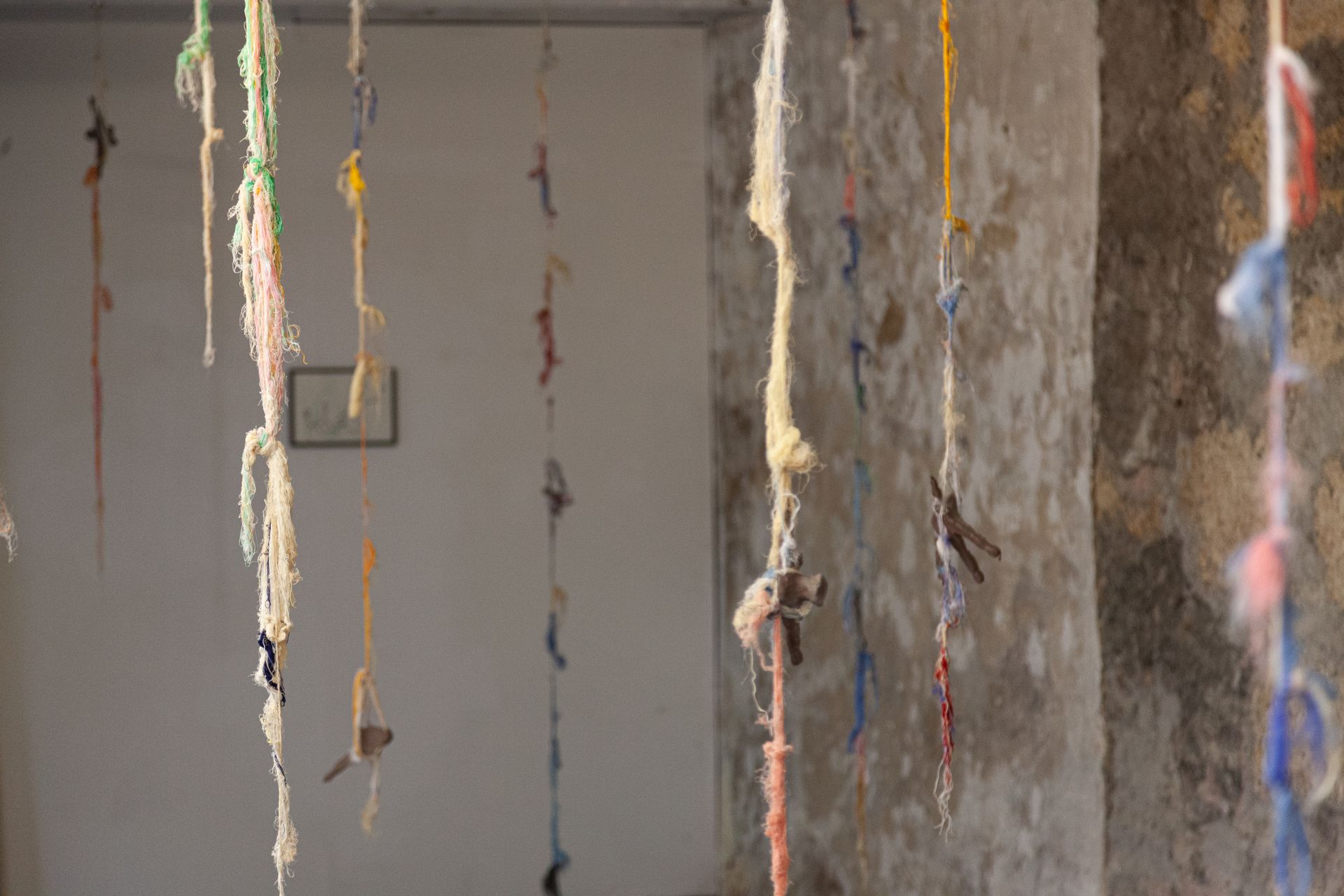
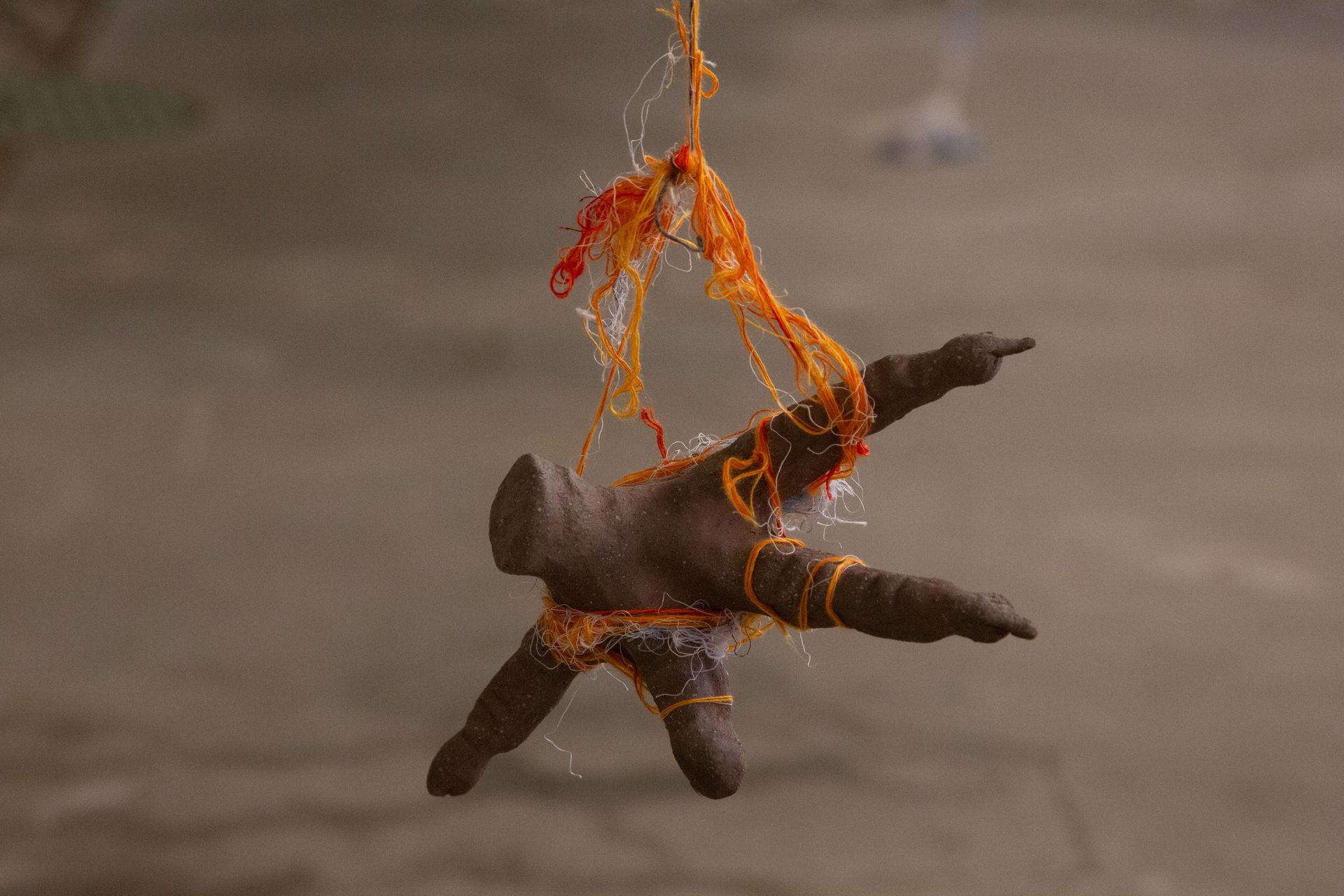
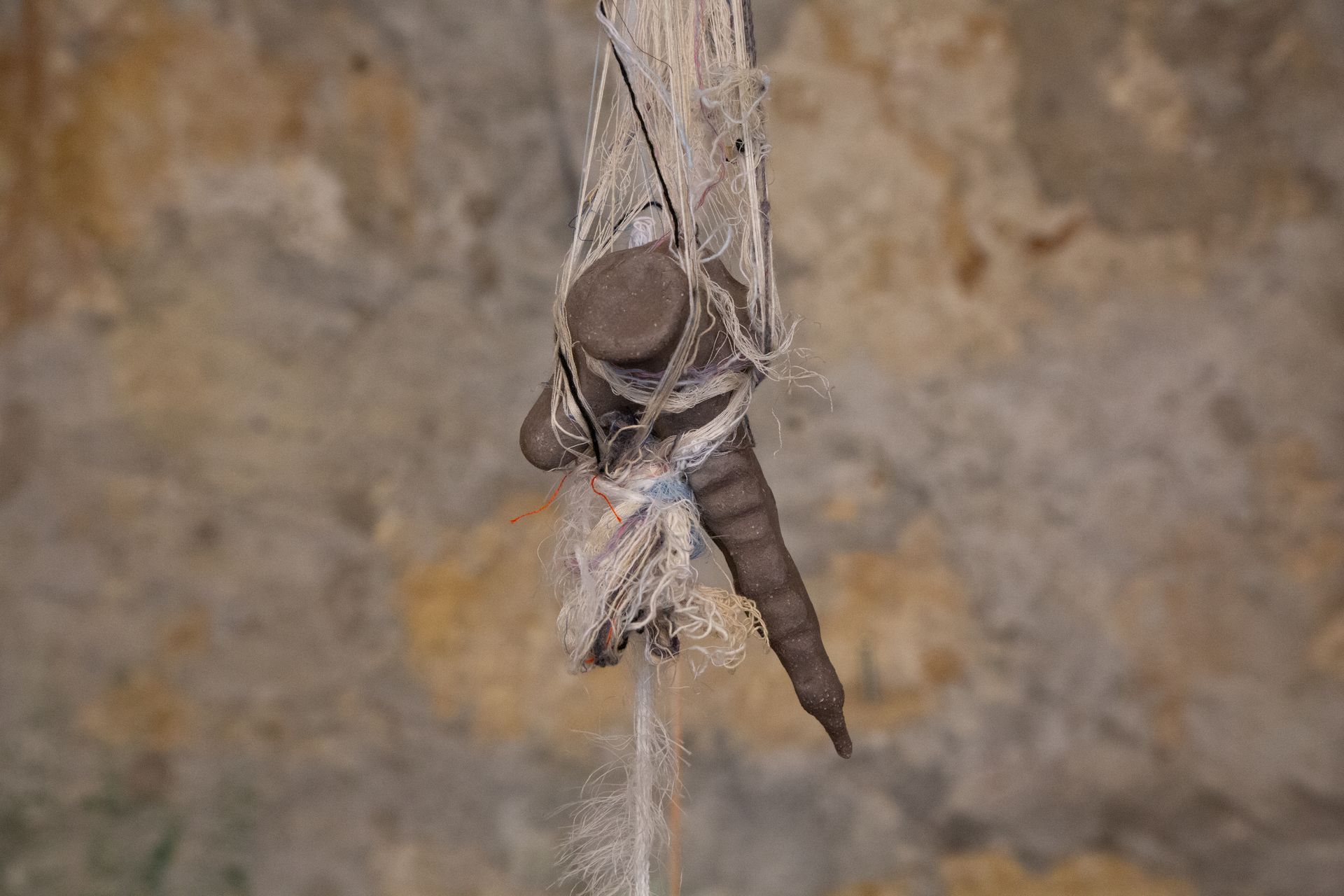
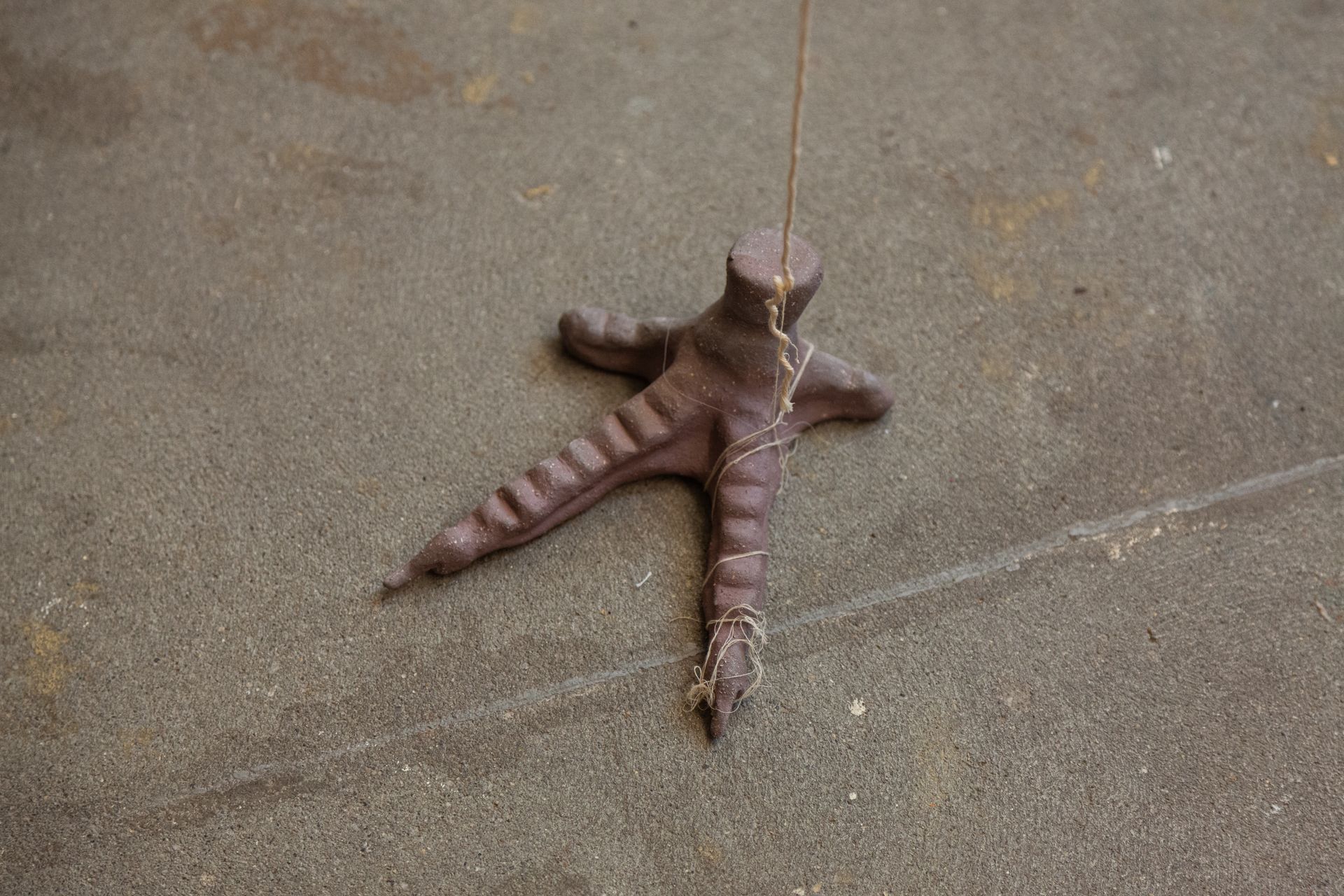
ZigZag
2024–2026
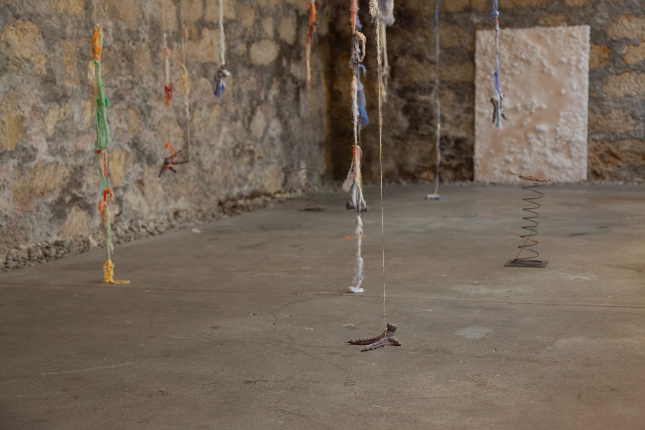
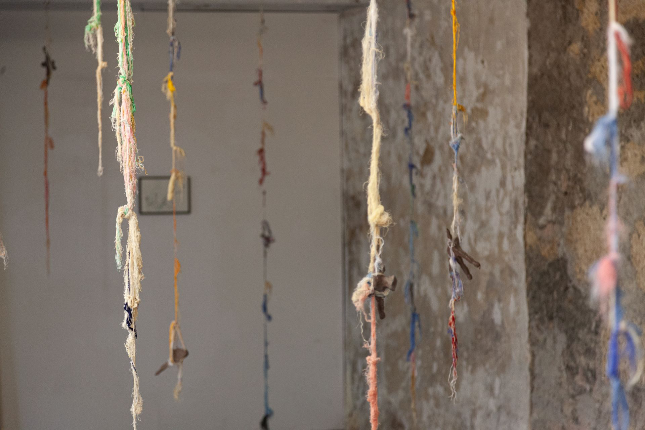
Materials: unglazed ceramic and cotton thread
Dimensions variable
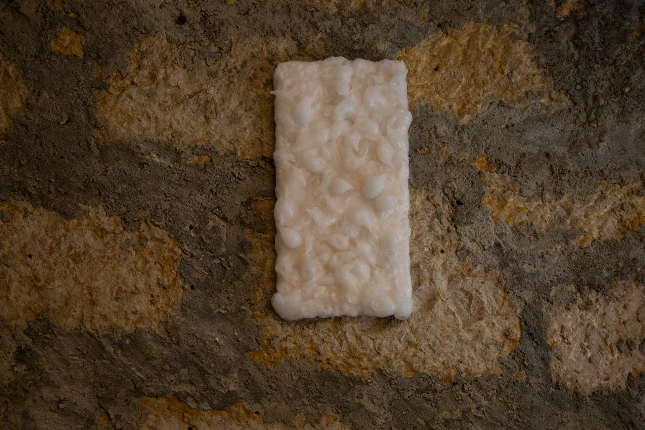
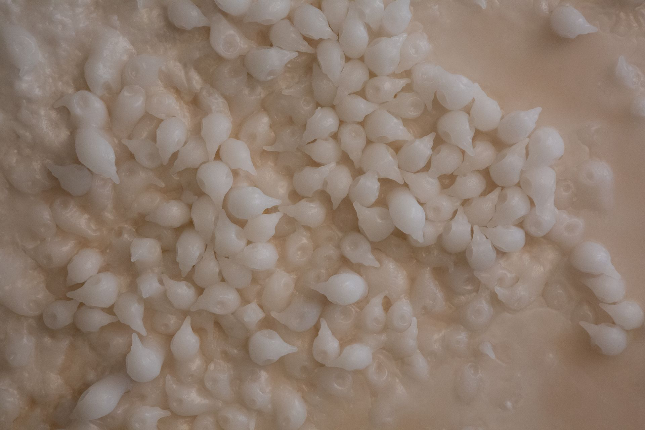
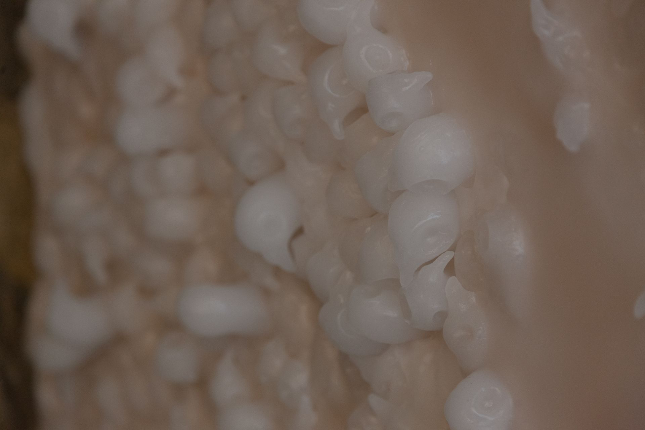
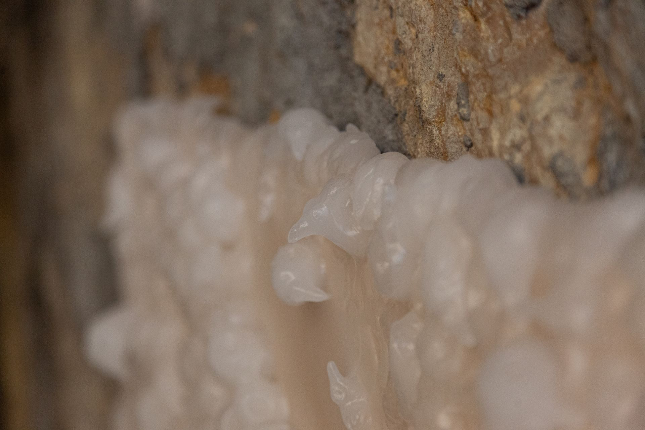
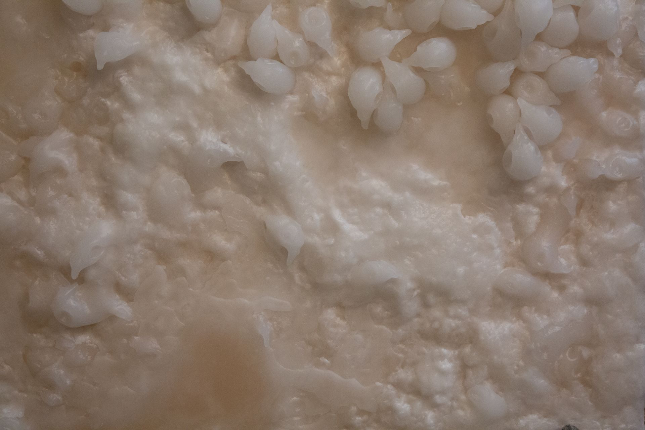
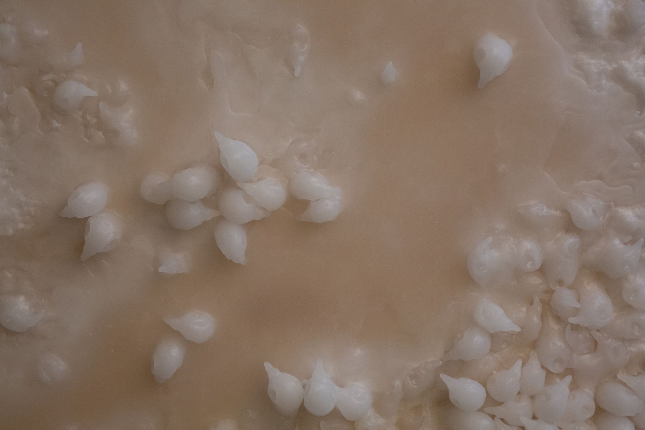
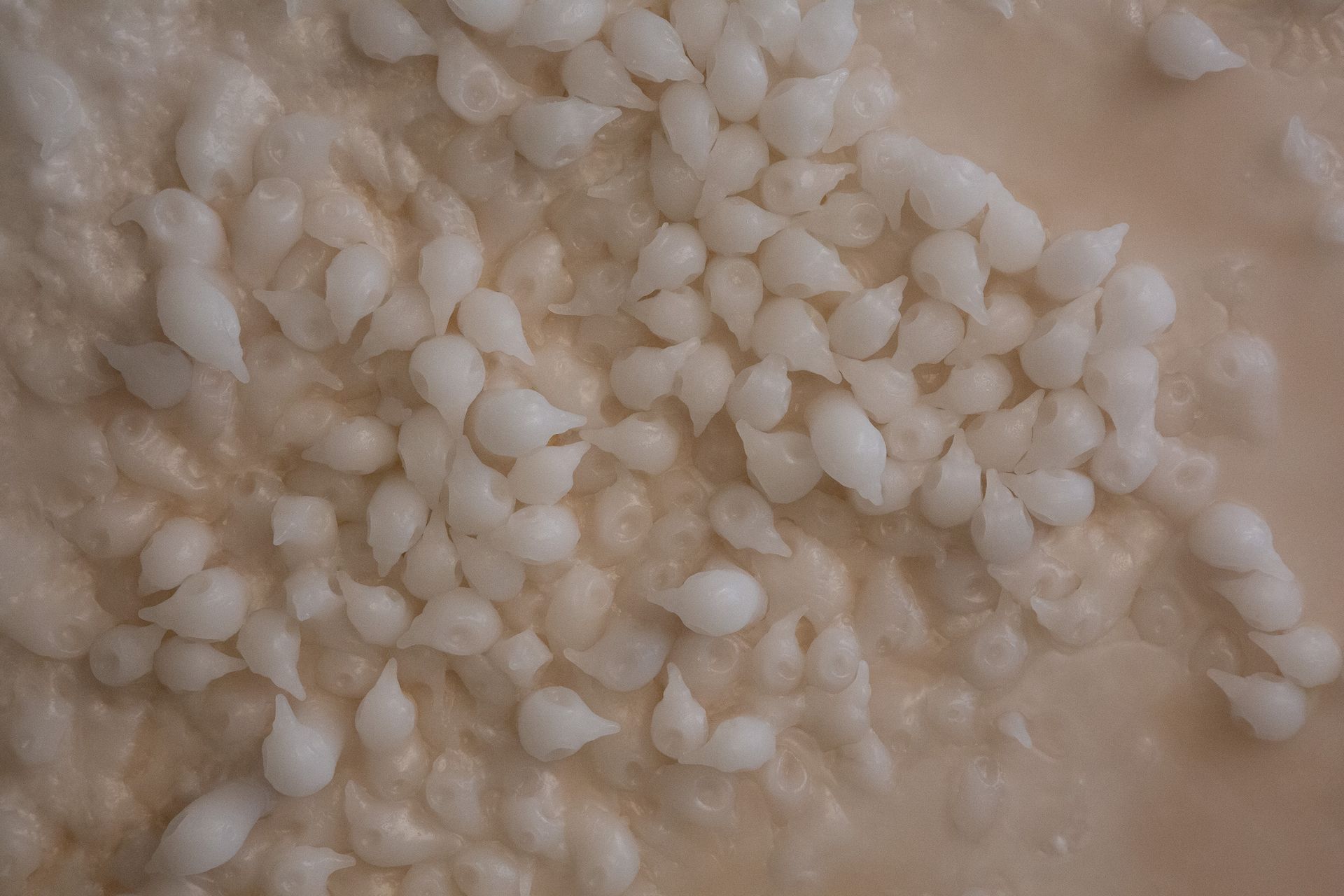
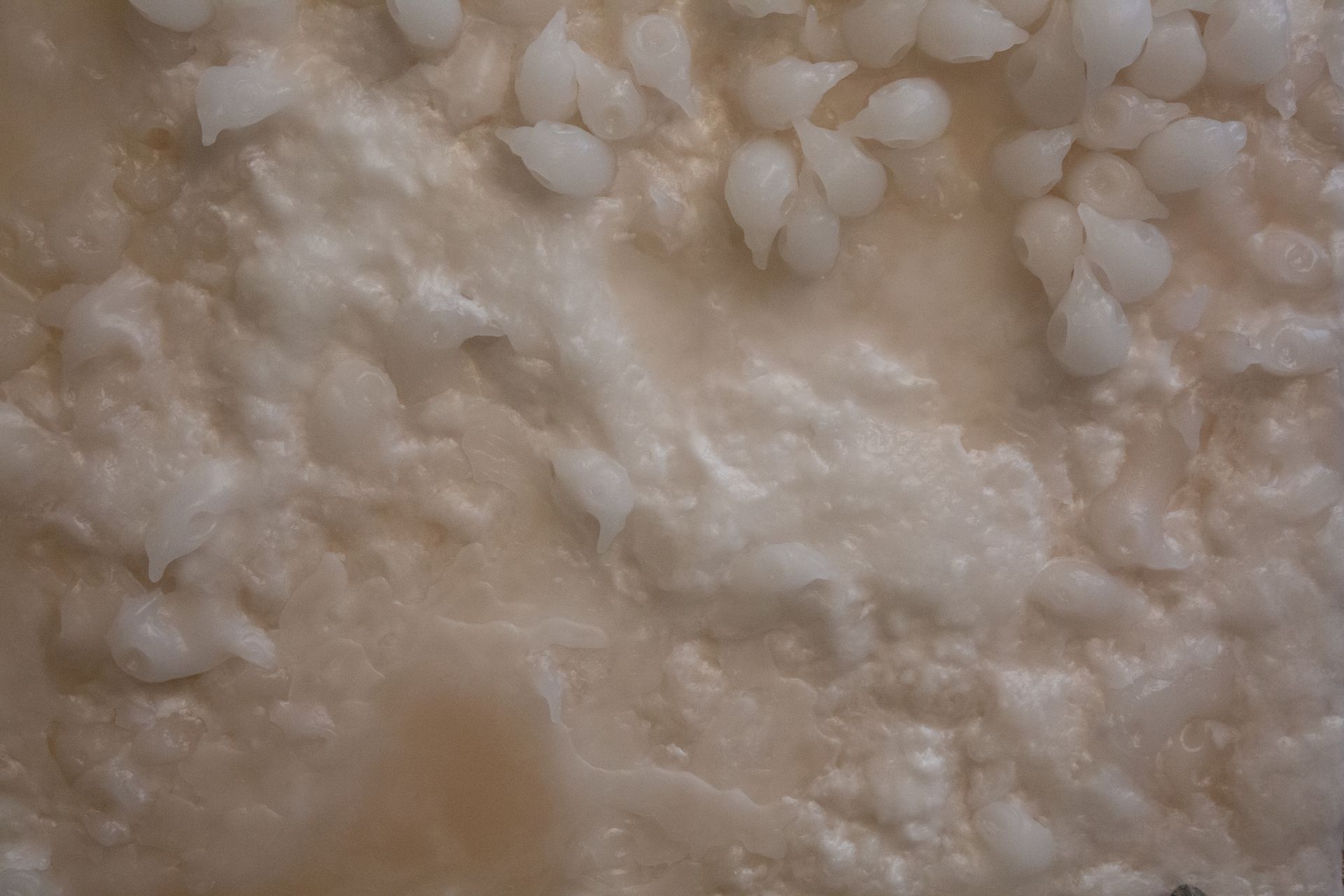
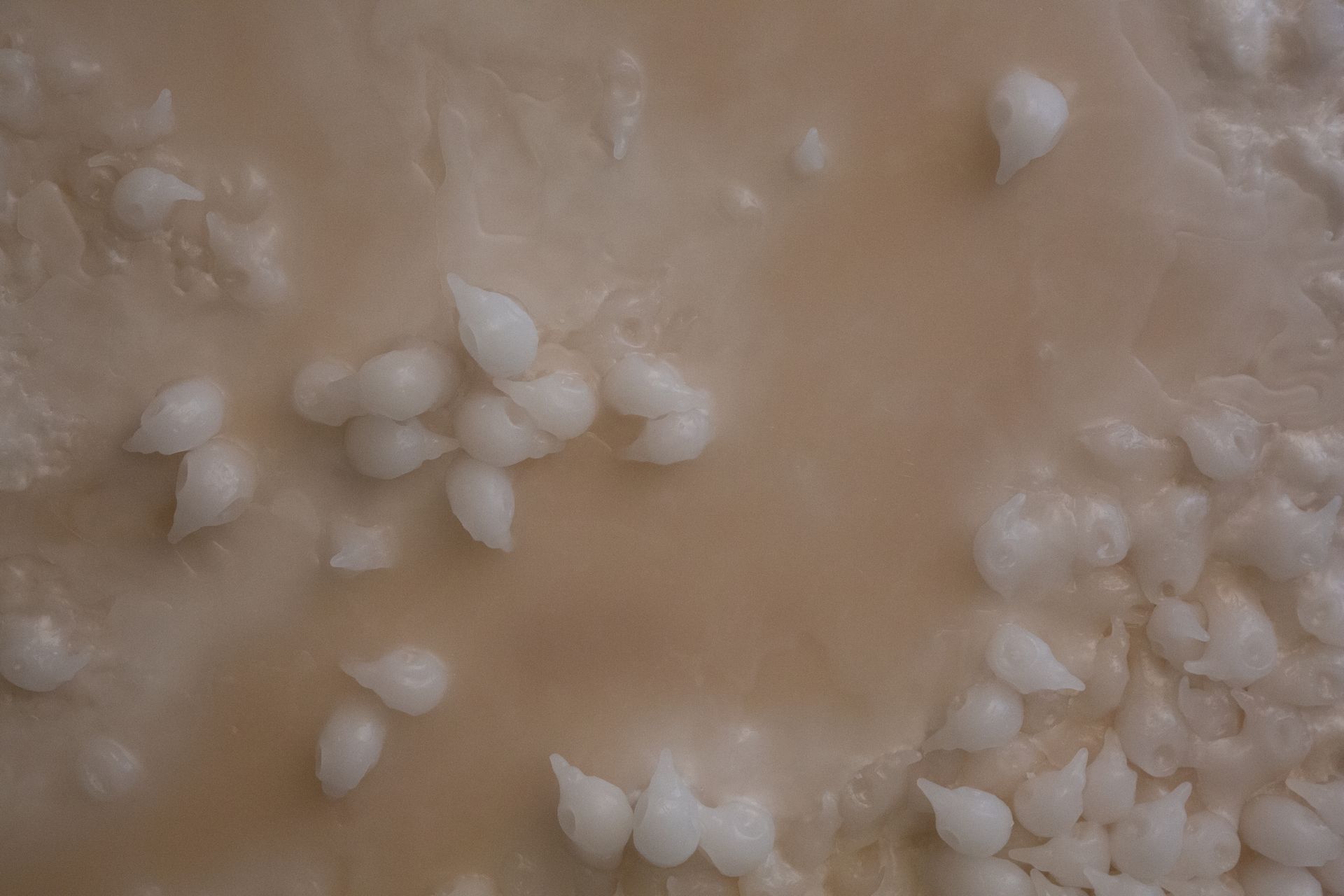
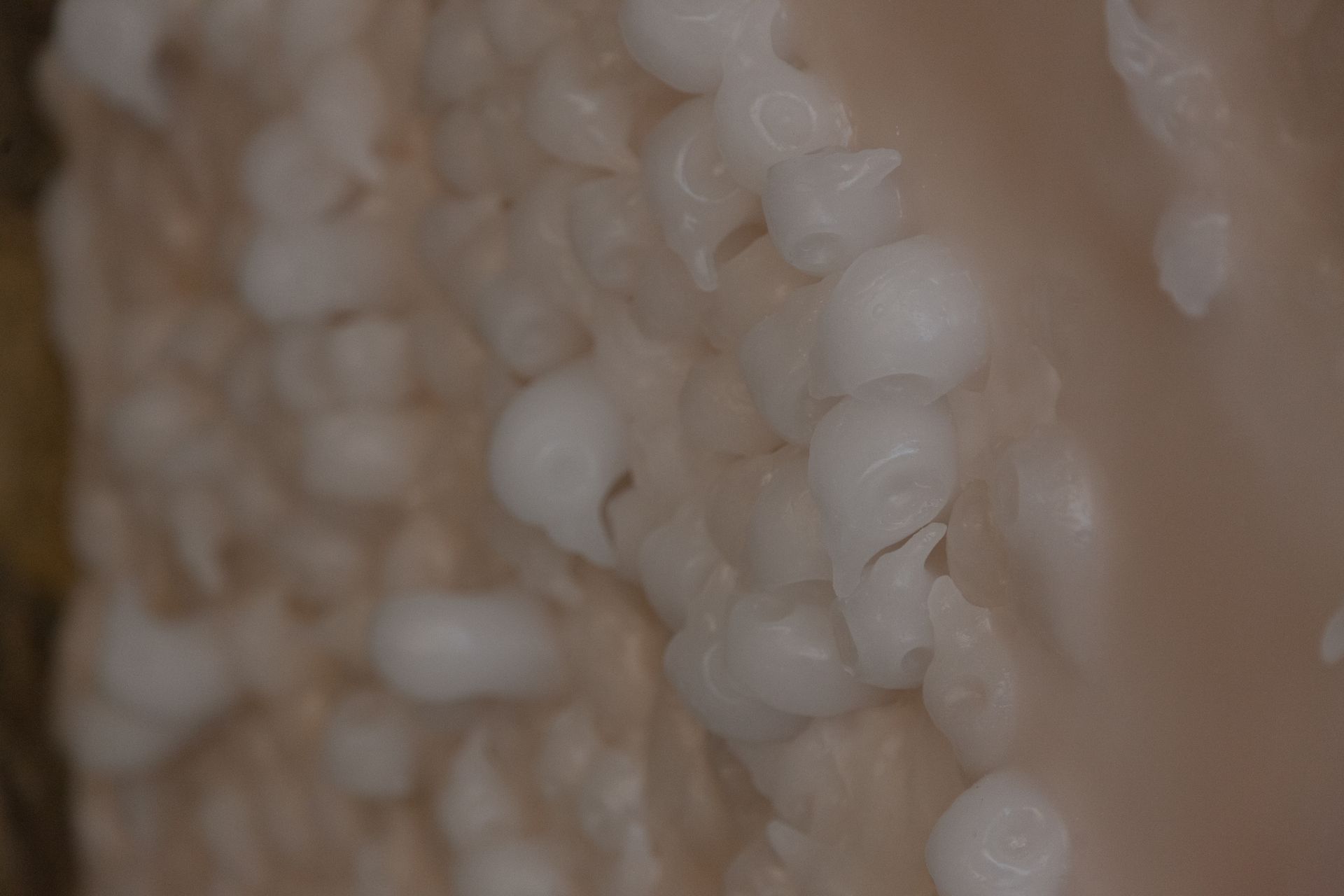
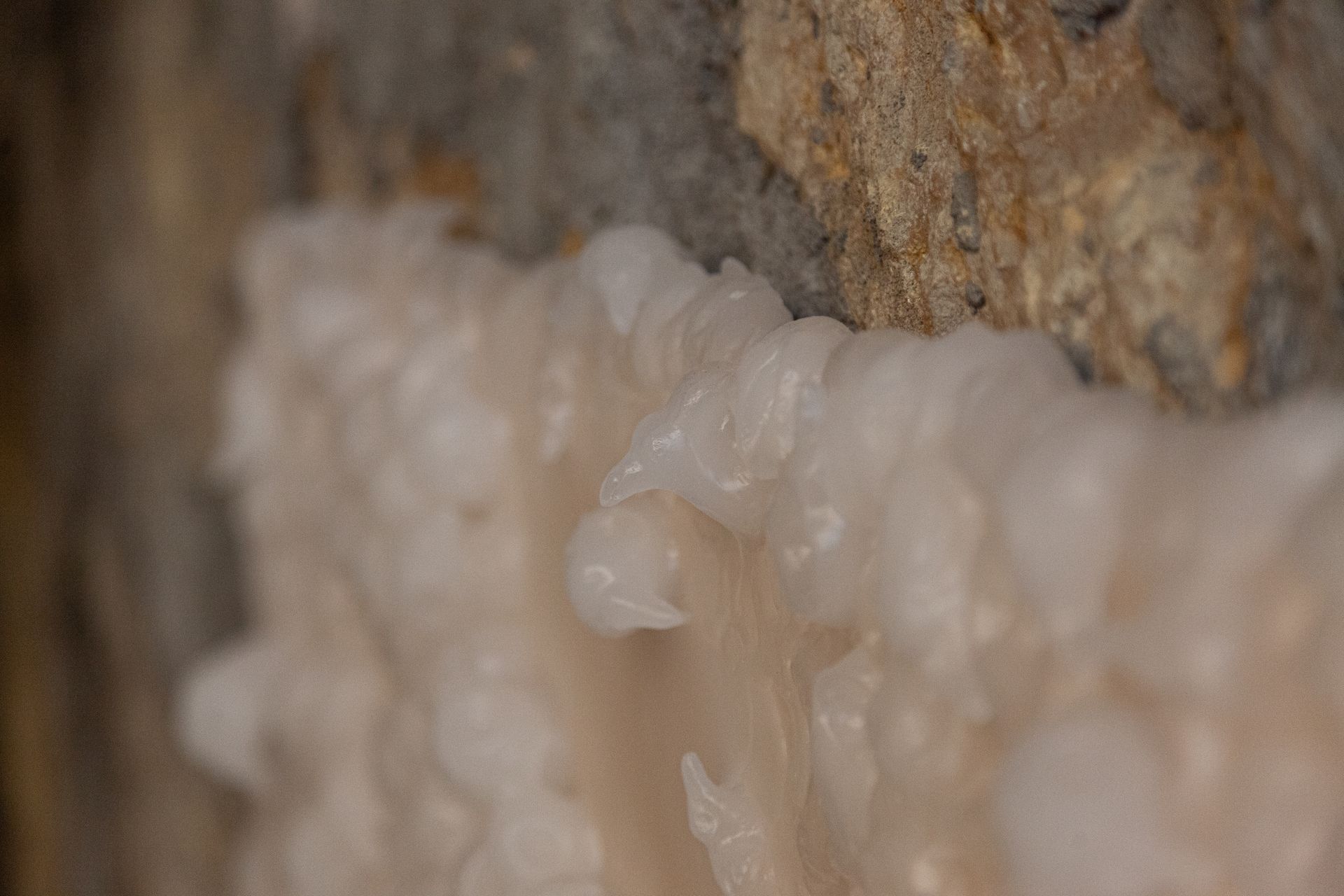
Incontrarsi senza trovarsi (meeting without finding each other)
2026
paraffin wax and wood
27 x 51 x 6 cm / 150 x 110 x 10 cm
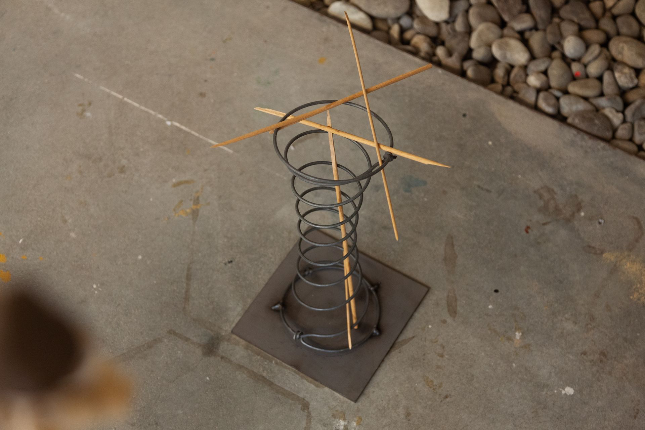
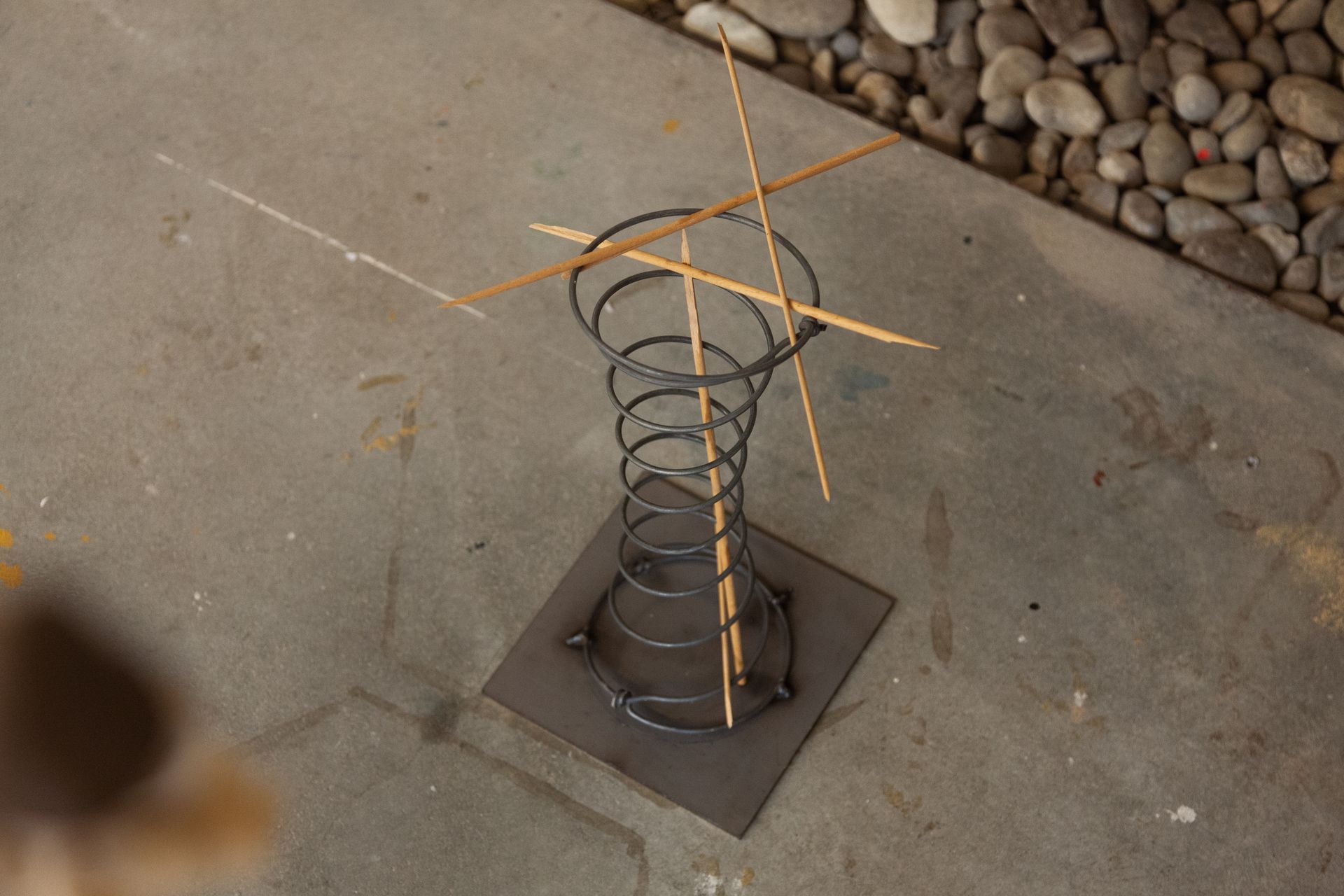
Sotto un tetto (Under a roof)
2025-2026
Materials: bed springs, steel and wood
Dimensions variable
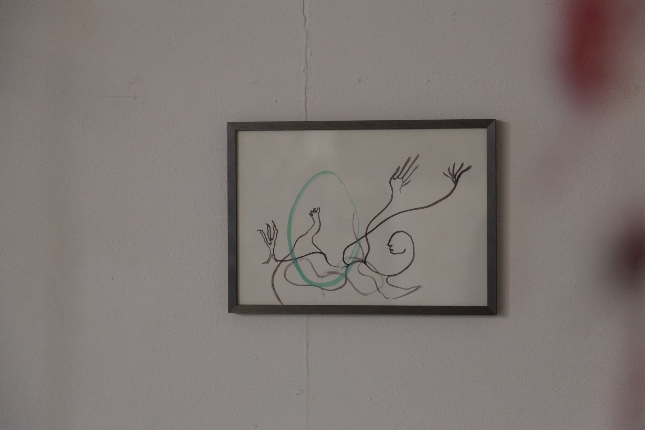
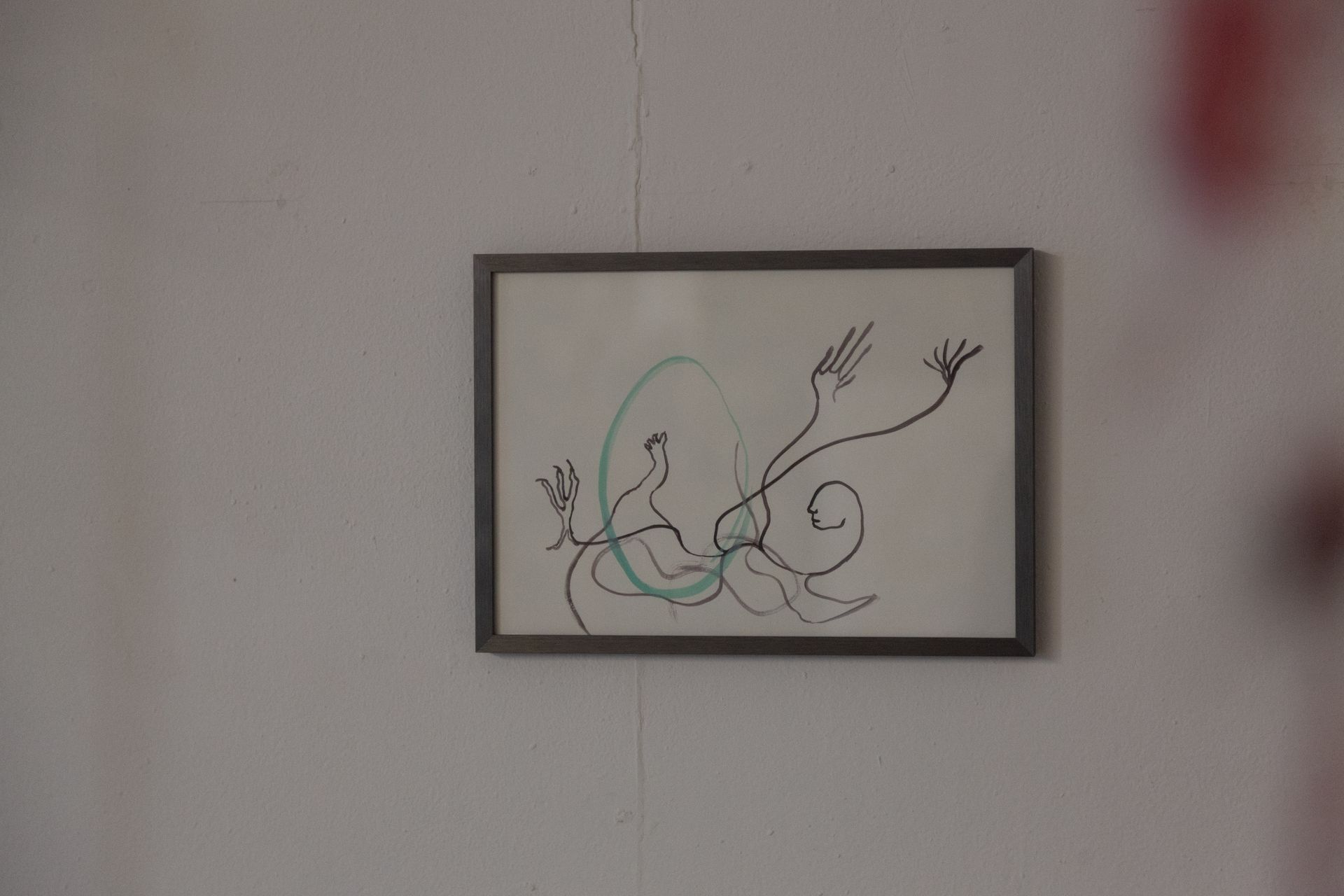
Prima delle specie (Before the species)
2026
watercolor on paper
22 x 30.5 cm
Briciole (Crumbs)
2026
Espace libre visarte Biel/Bienne
Photo credits: Janosch Perler and Muzi
Text: at the bottom
—
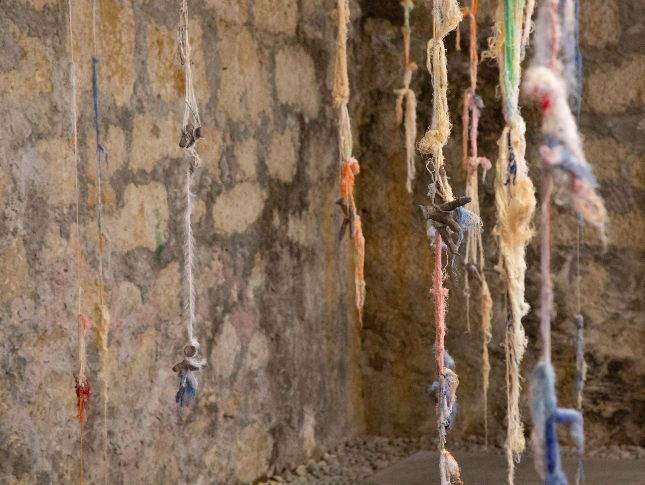
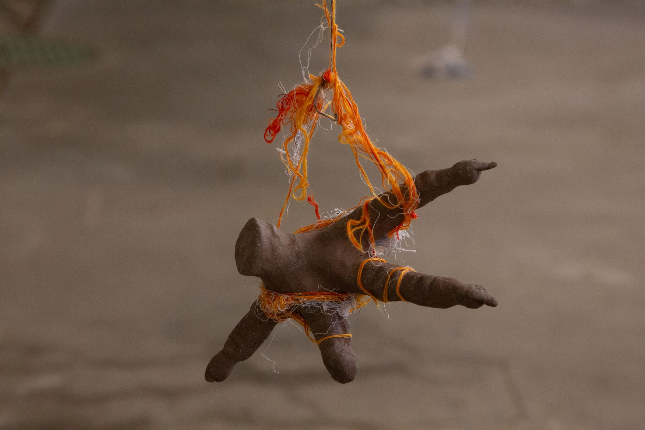
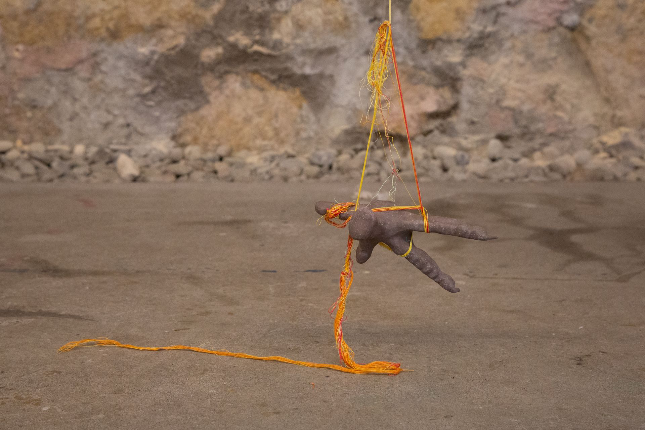
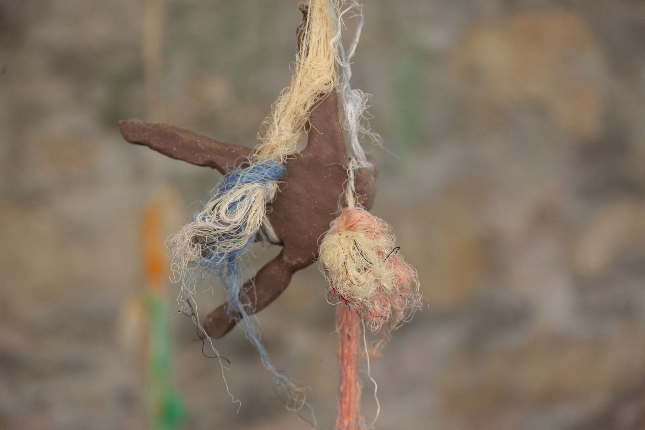
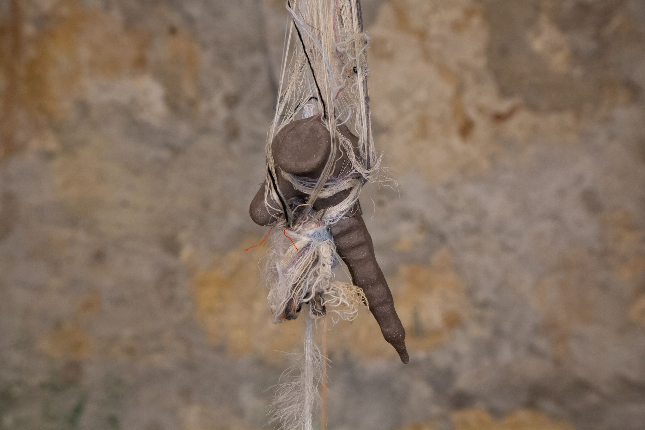
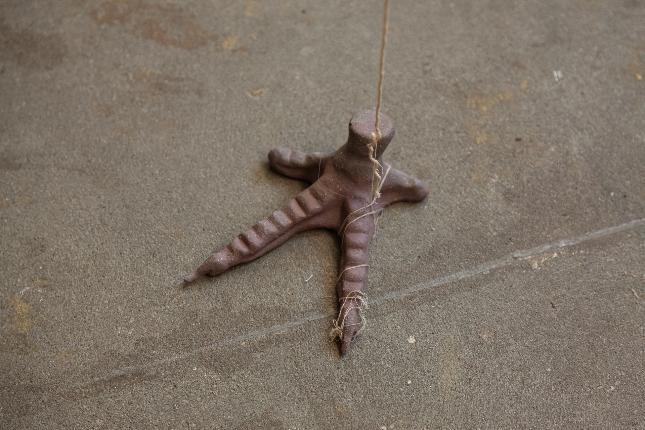
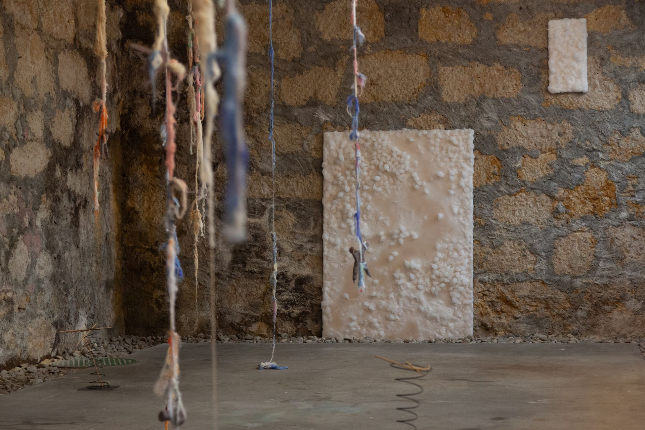
ZigZag
2024–2026
Materials: unglazed ceramic and cotton thread
Dimensions variable
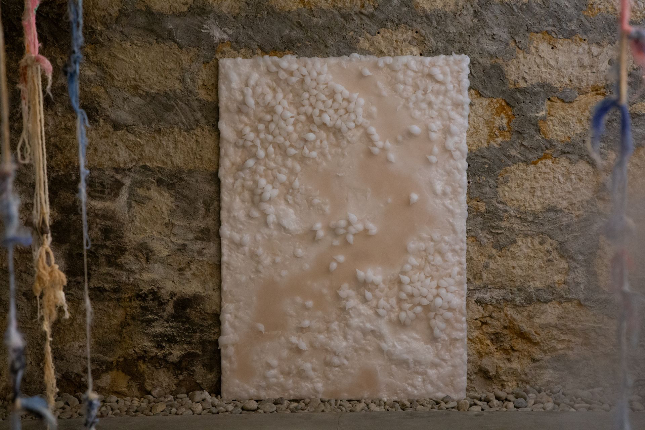
Incontrarsi senza trovarsi (meeting without finding each other)
2026
paraffin wax and wood
27 x 51 x 6 cm / 150 x 110 x 10 cm
Sotto un tetto (Under a roof)
2025-2026
Materials: bed springs, steel and wood
Dimensions variable
Prima delle specie (Before the species)
2026
watercolor on paper
22 x 30.5 cm
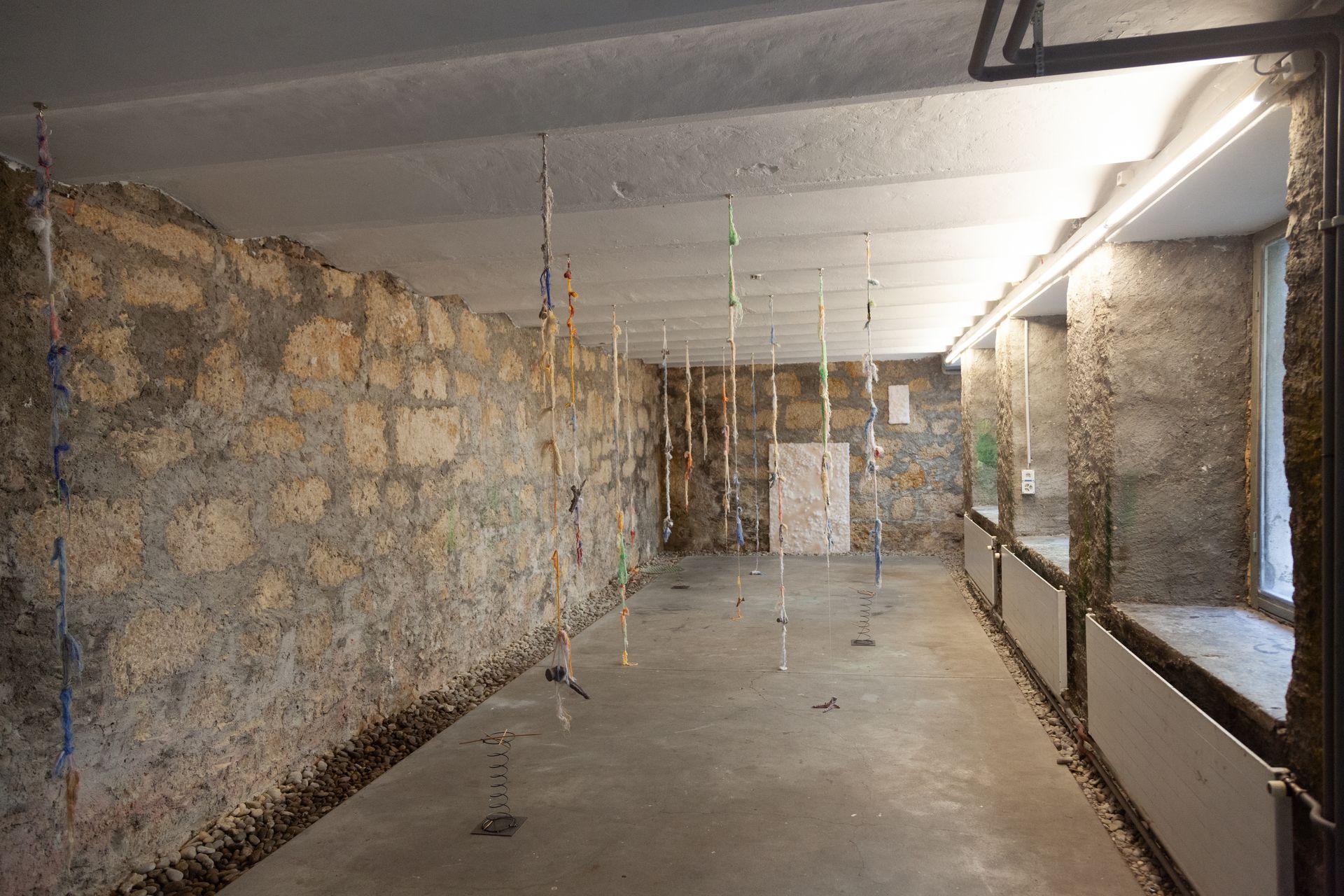
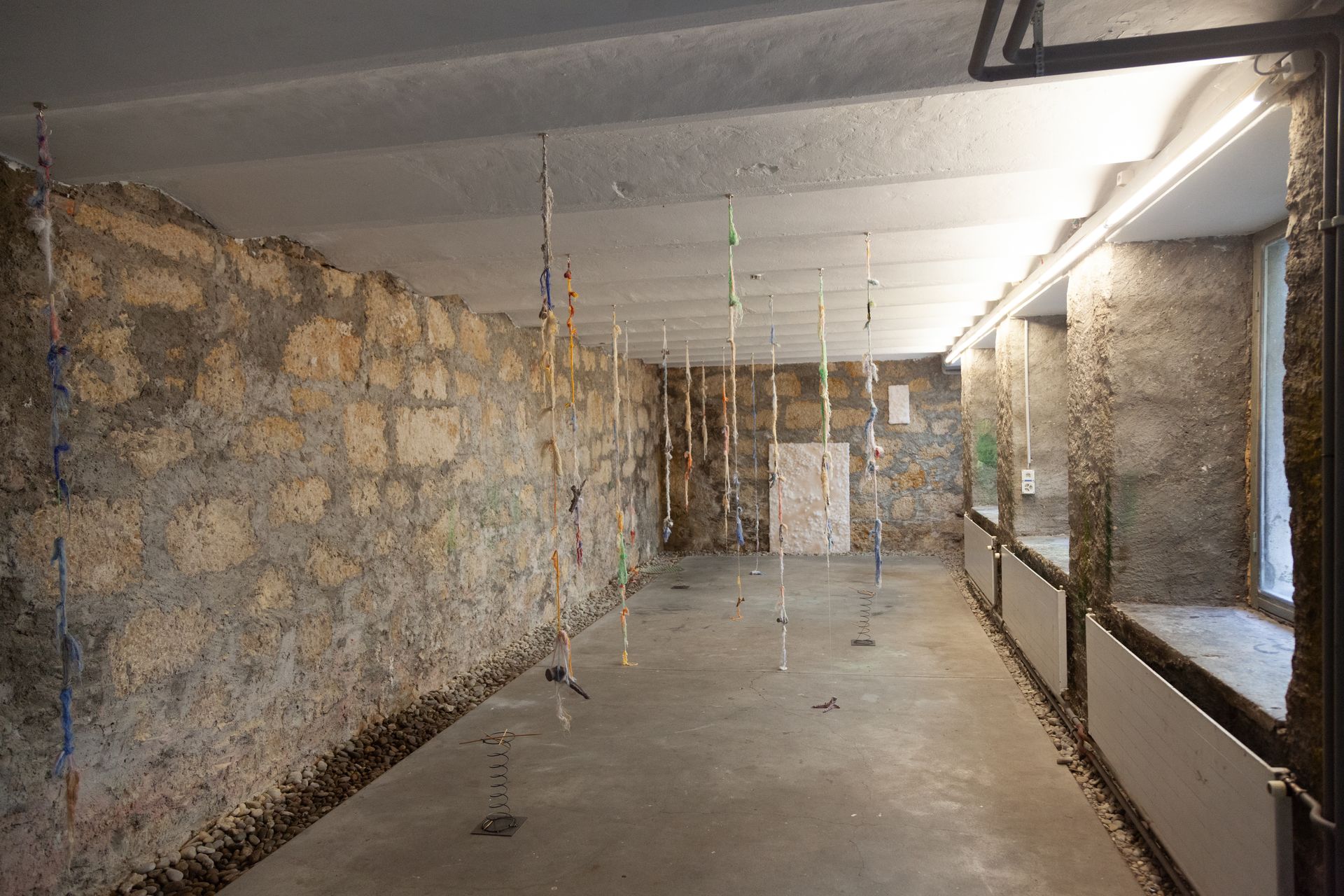
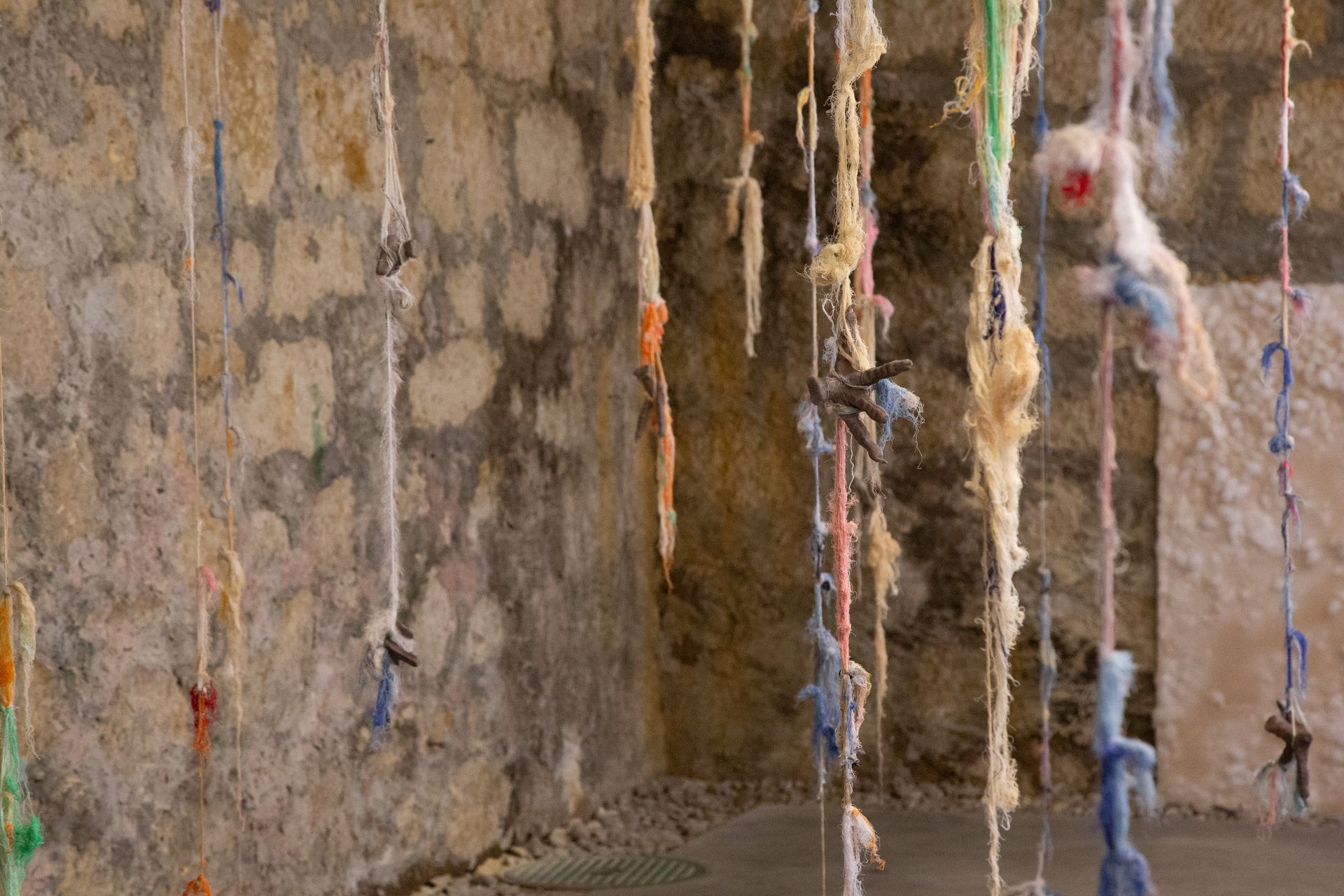
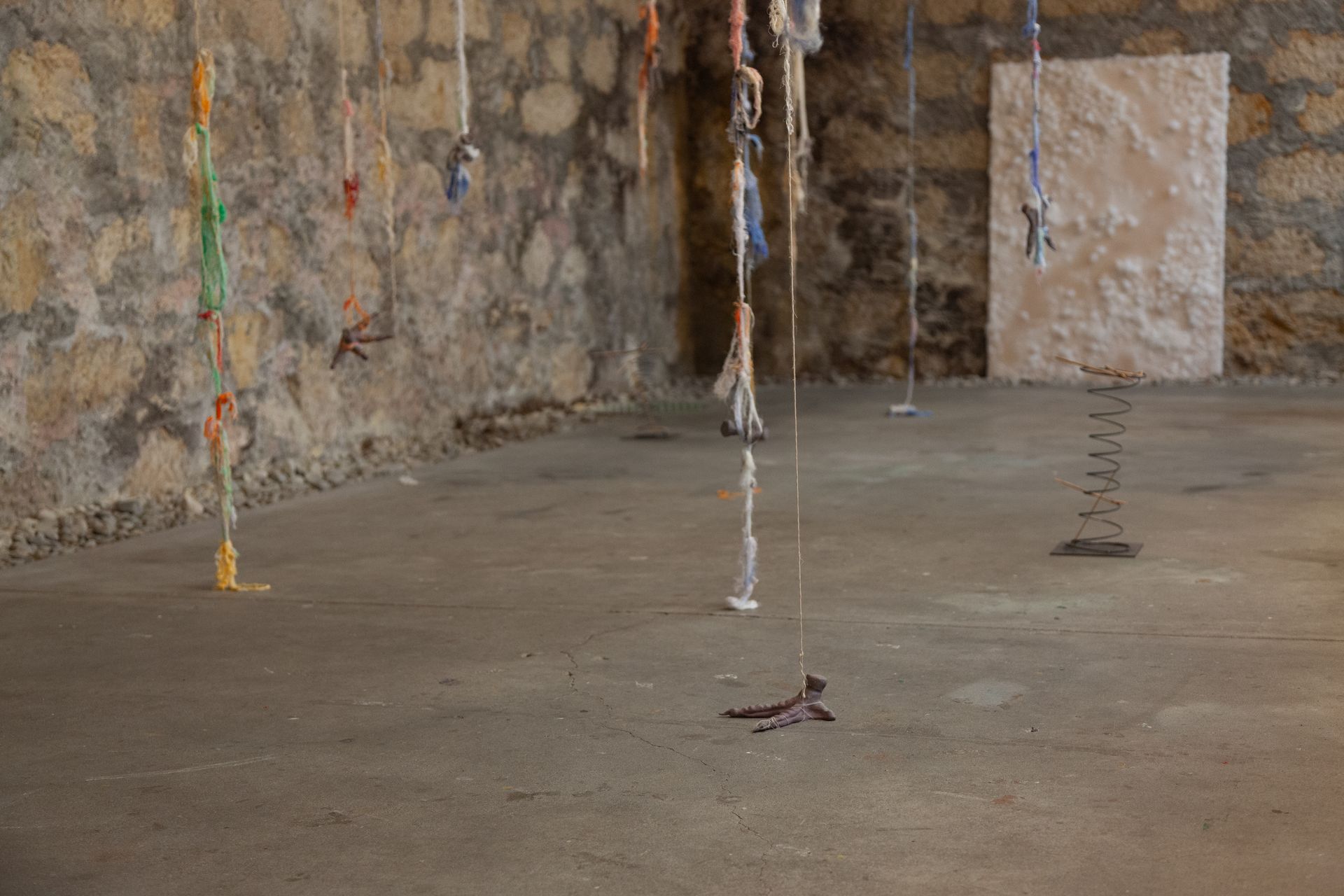
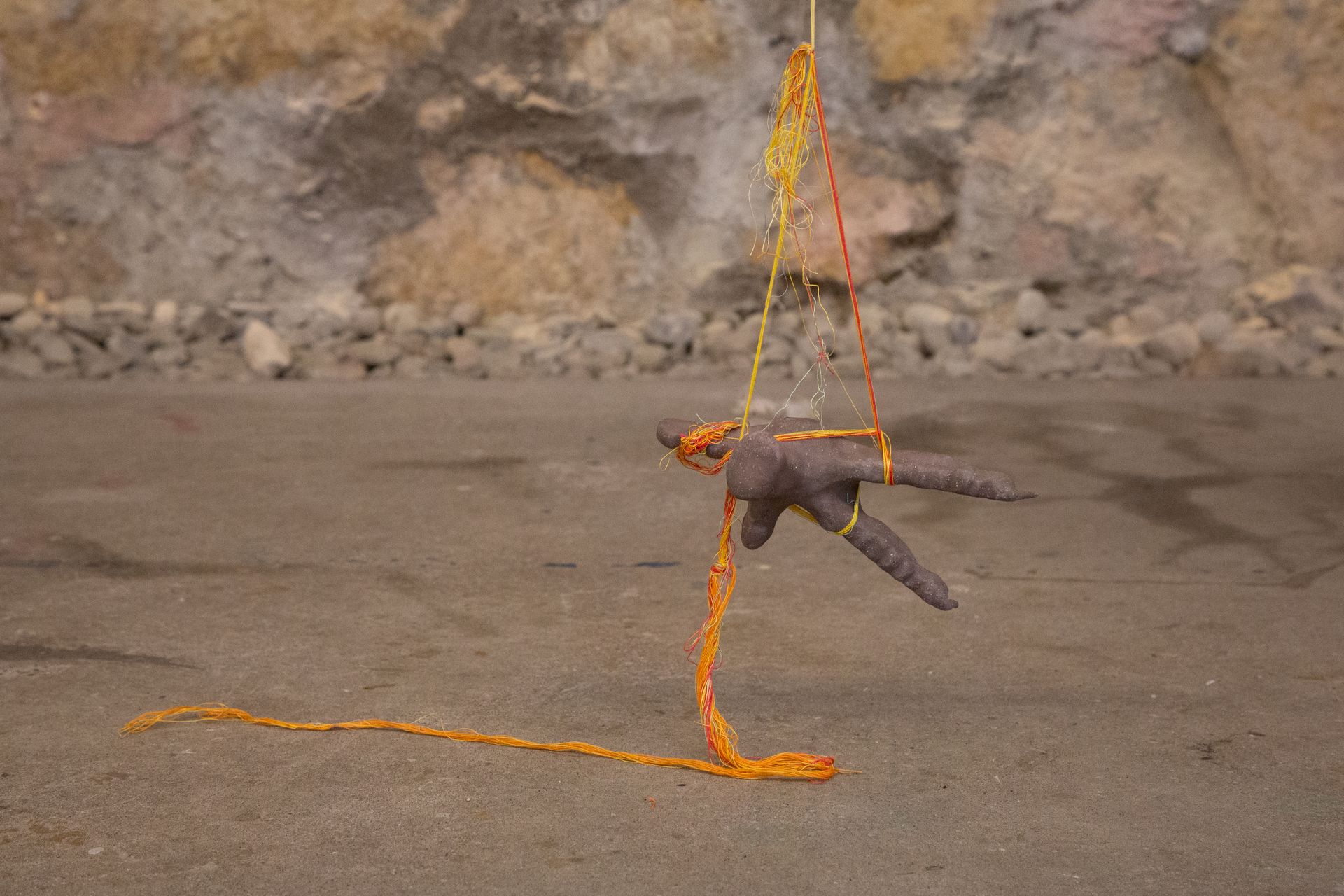
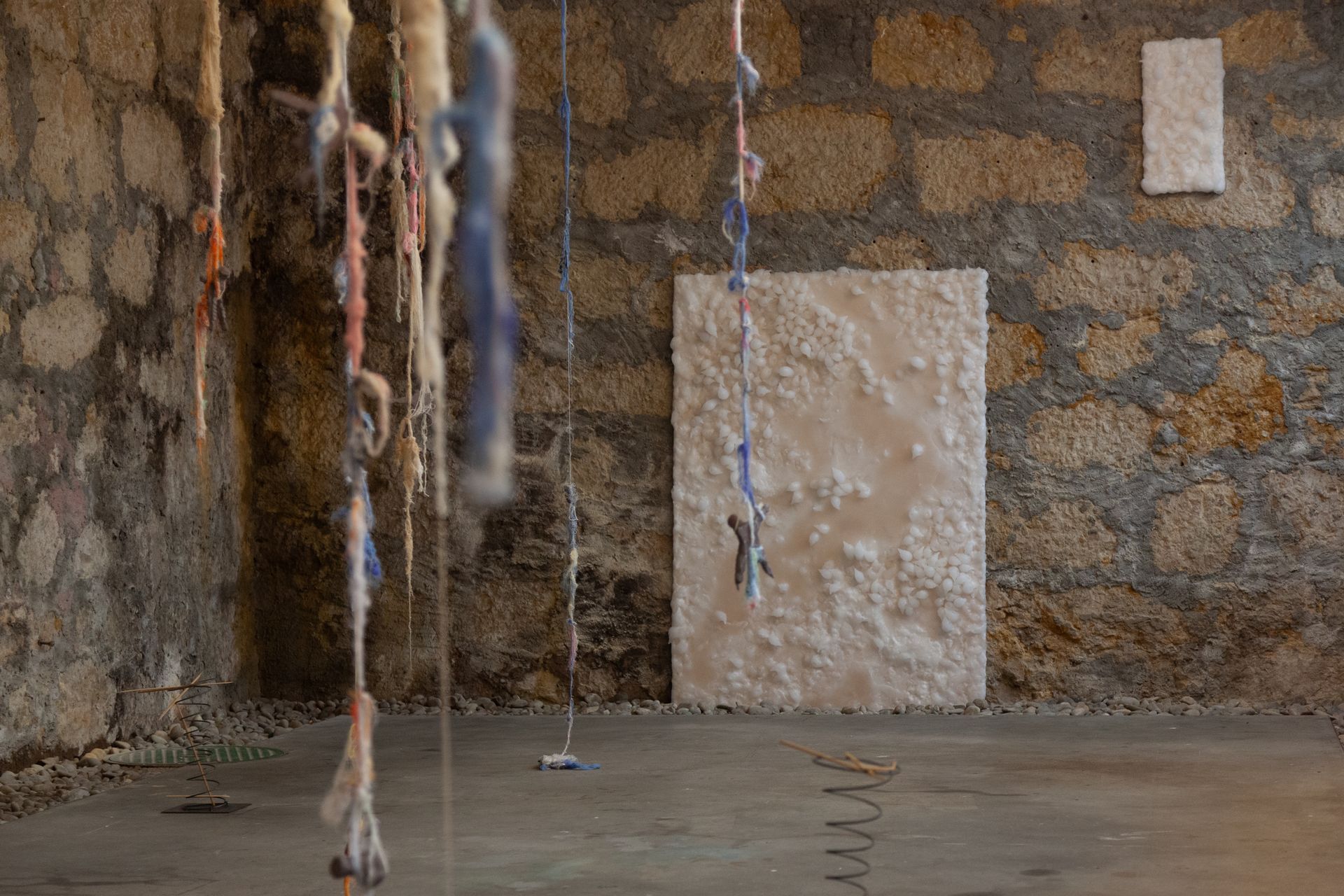
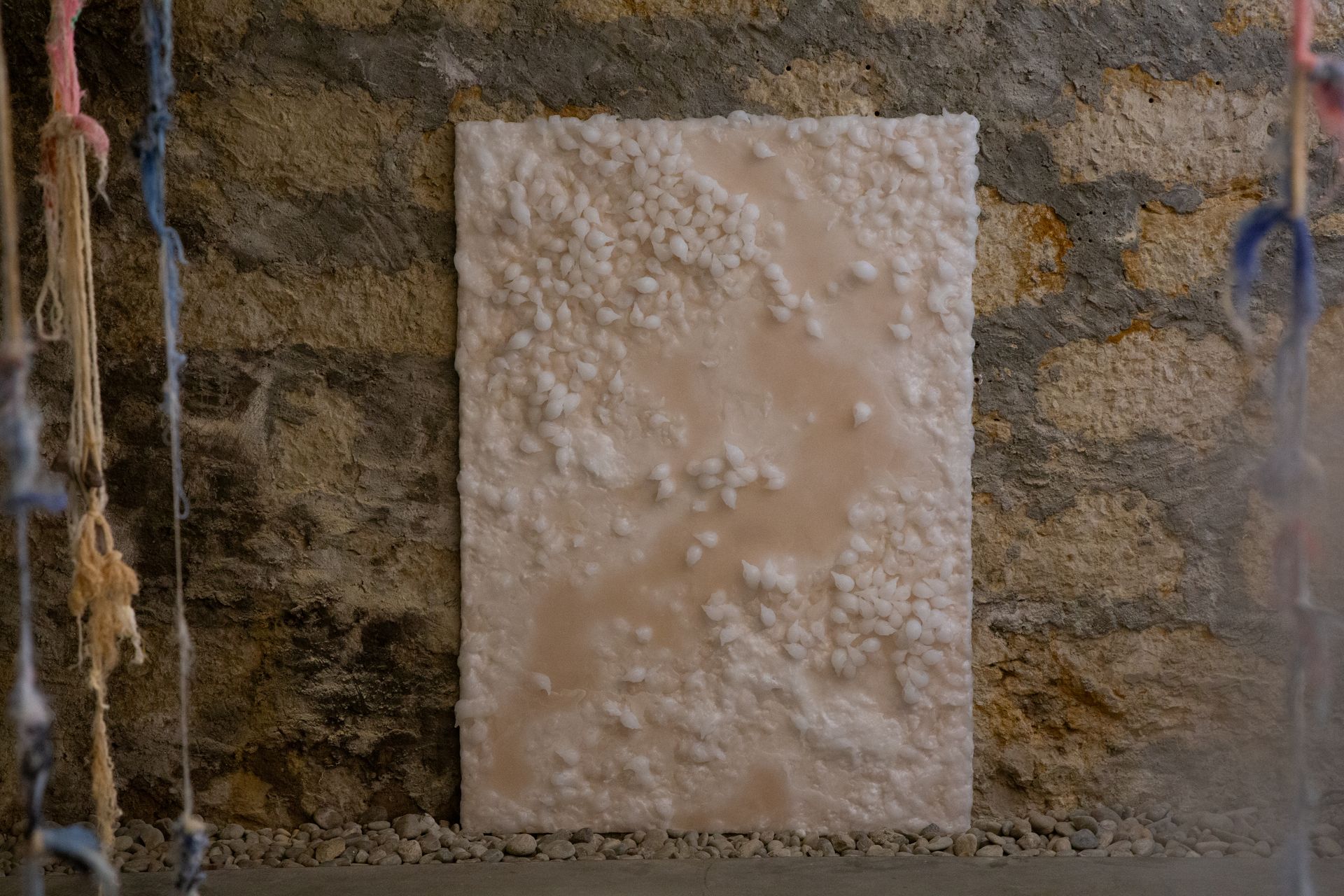
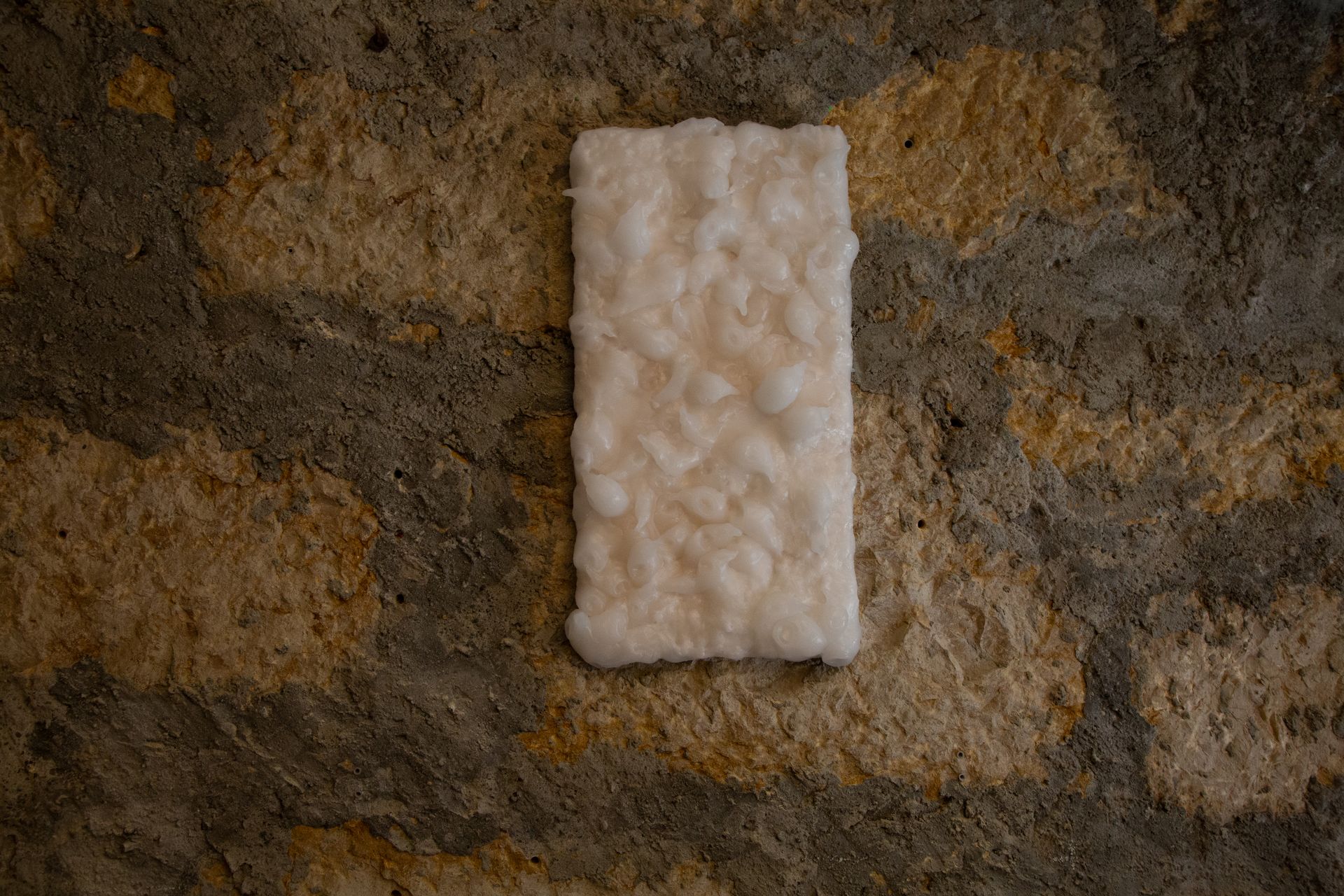
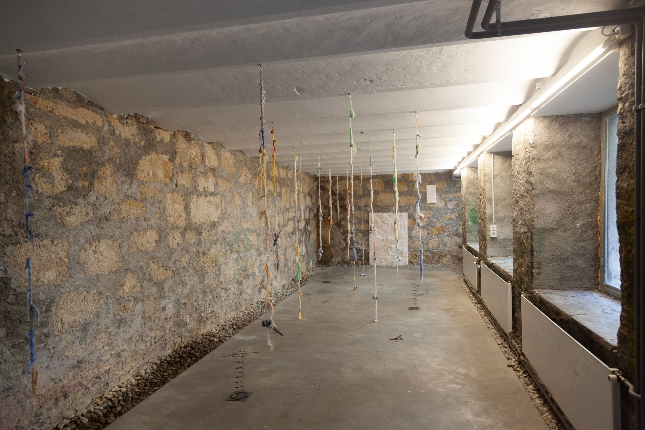
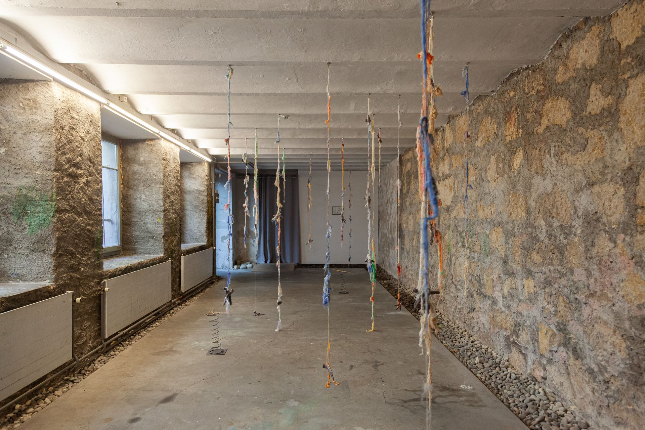
Briciole (English: Crumbs) are what we let fall, willingly or not, what others pick up. In this gesture, centuries of cohabitation: a silent hierarchy where the leftovers of some become what others need in order to live. Here, crumbs become remains of existence. The entire space is inhabited by fragments of presence, of partial life, traces of a sharing we did not choose but that concerns us, consequences of bodies occupying the same territory without ever truly meeting. Neither wild nor domestic, tolerated and rejected, always present and never wanted: the pigeon appropriates spaces as we do, driven by the same necessity to dwell, to simply be.
As in the city, where we cross paths with pigeons, the works also propose situations of proximity, displacement and negotiation of space: an encounter without contact. Fragments hang from the ceiling, cling to the wall, or rest on the floor; held, supported, caught in networks. They evoke bodies that are never quite whole, interrupted presences, forms that seem to have lost their original function. Home is made even when the foundations tremble, even when the space was never granted.
Something appears, transforms, disappears again, suspended in an intermediate state of becoming. Only in the work Prima delle specie is it perhaps no longer a remnant, but an attempt at balance, succeeded or failed, between forms trying to understand which body they belong to.
Briciole is a reflection on sharing: on what it means to occupy the same space and the same time without having chosen it, on the forms of adaptation, cohabitation and resistance that follow, and on the trace each presence leaves, even when it is no longer whole.
And like all crumbs, they belong to whoever picks them up.