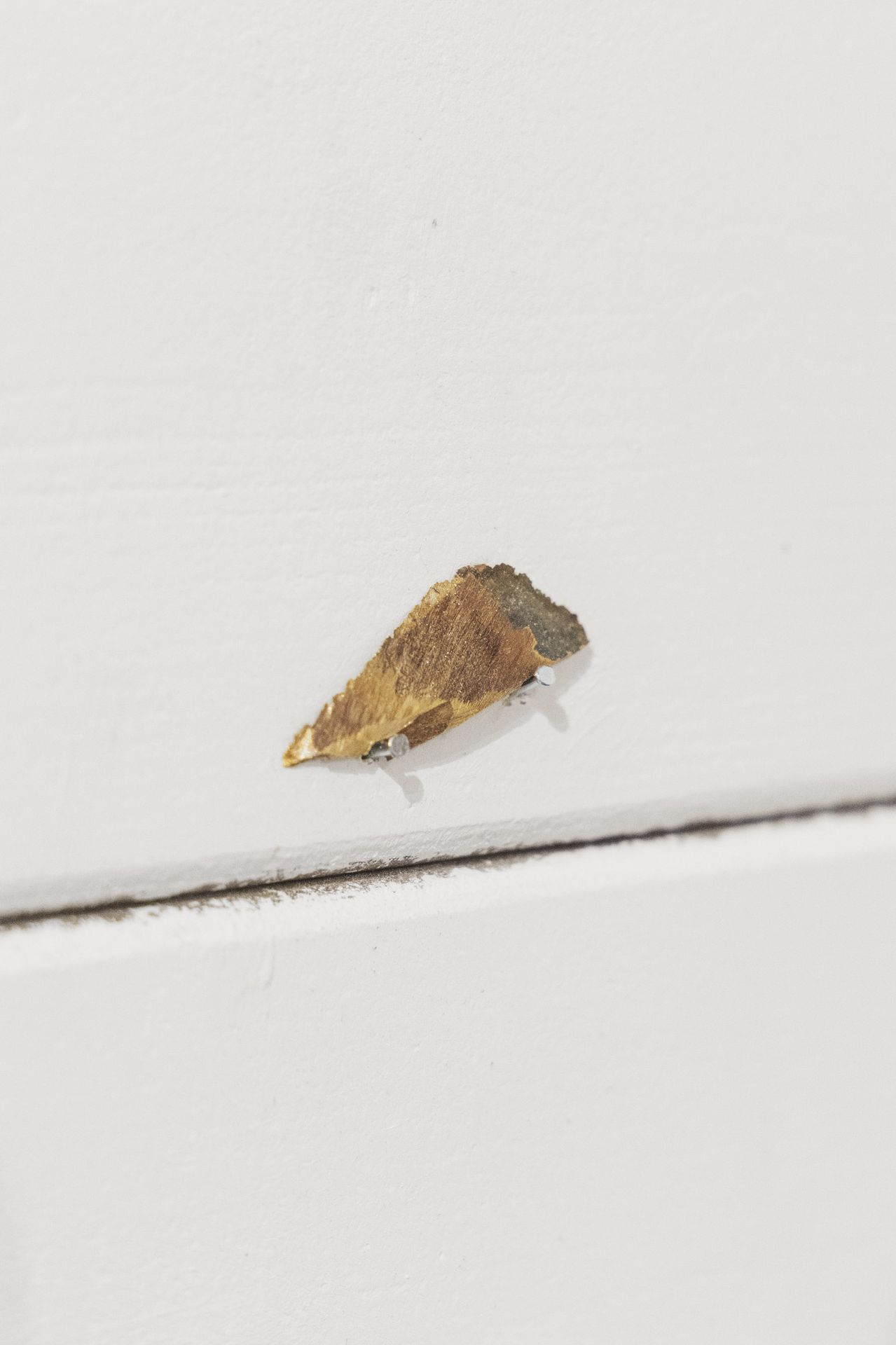
Polvere domestica (Domestic dust)
2026
Espace Annexe Biel/Bienne
Photo credits: Aude Mayer
—
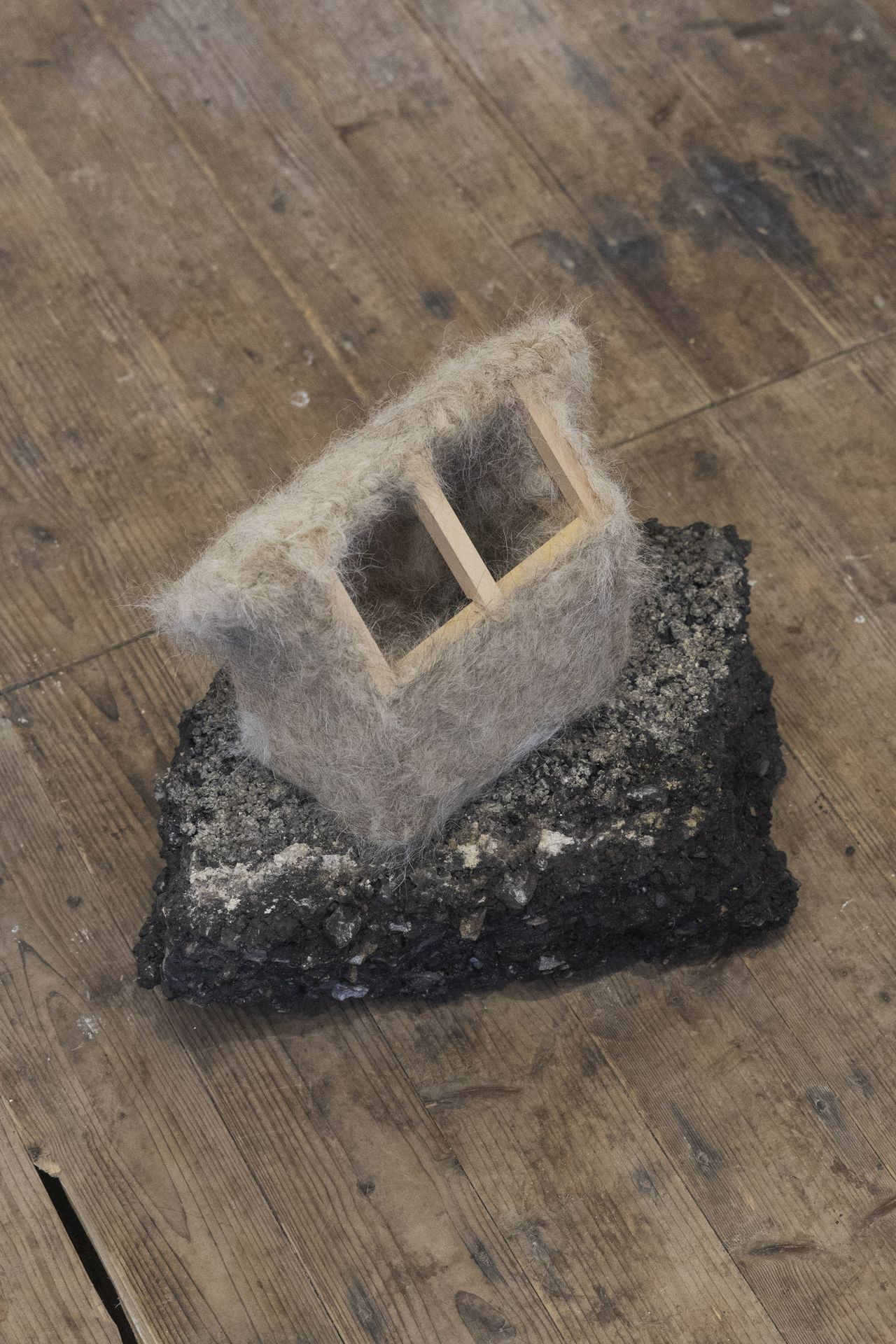
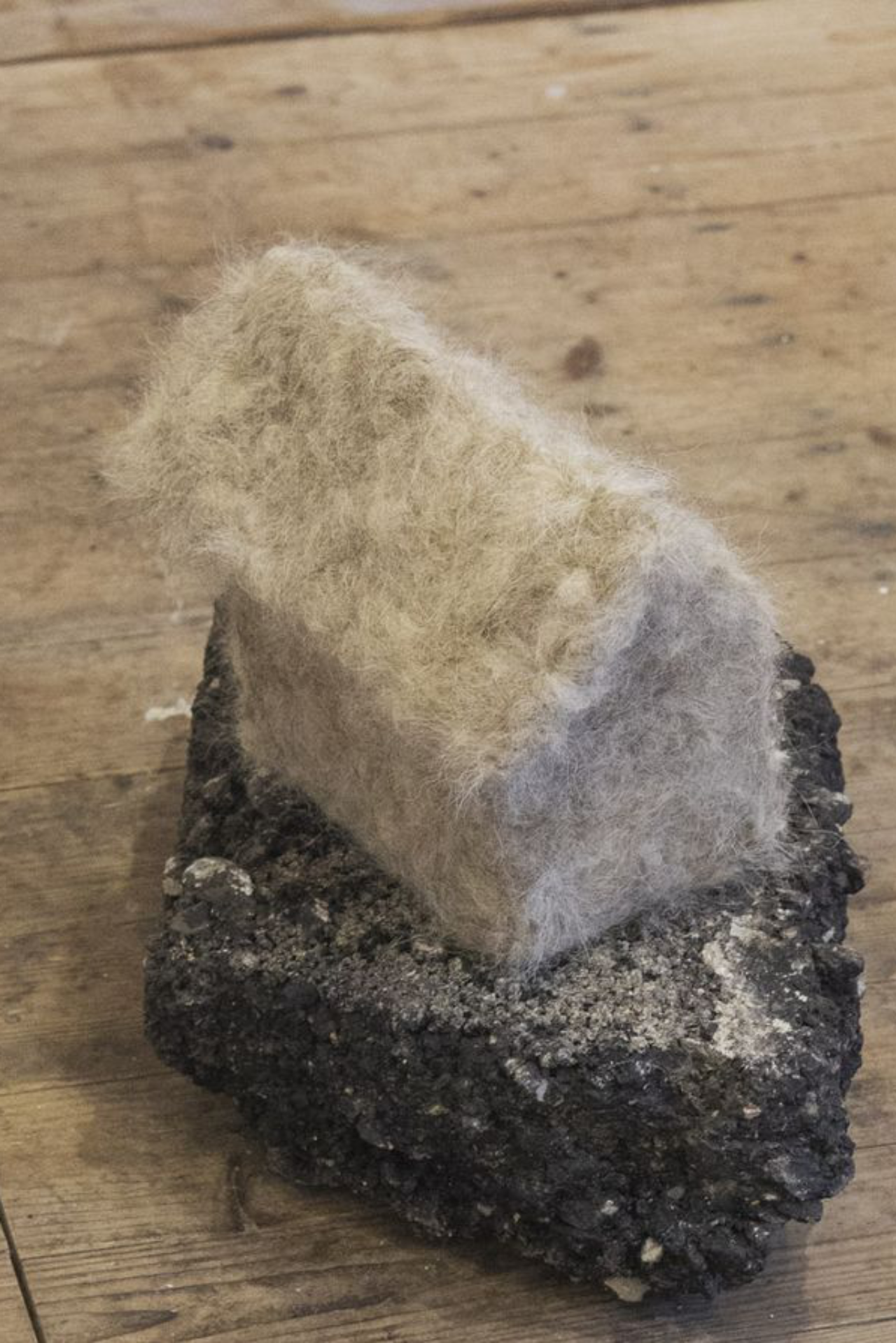
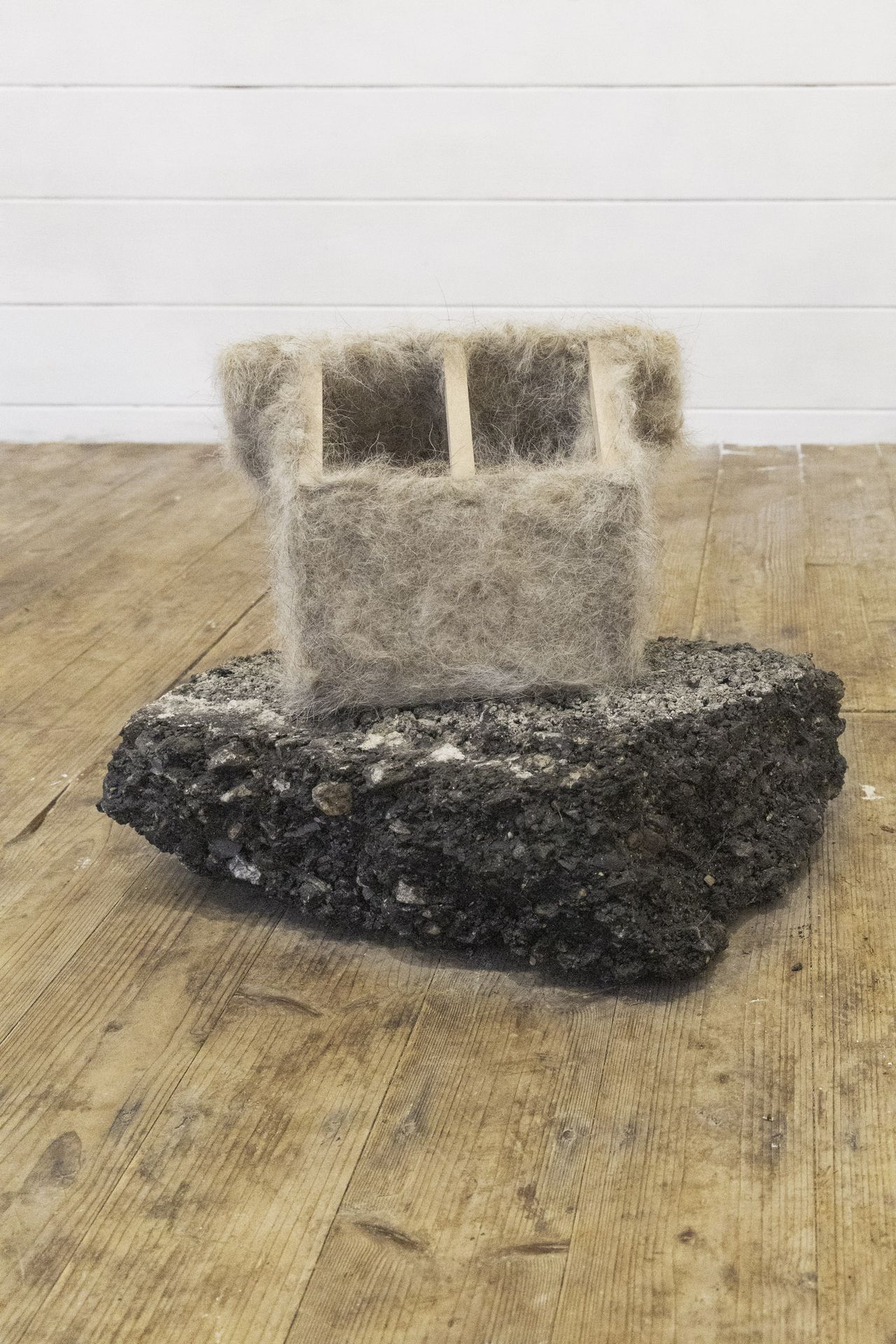
Untitled, 2025–2026
29 × 36 × 23 cm
Dog hair (Daisy), wood and asphalt
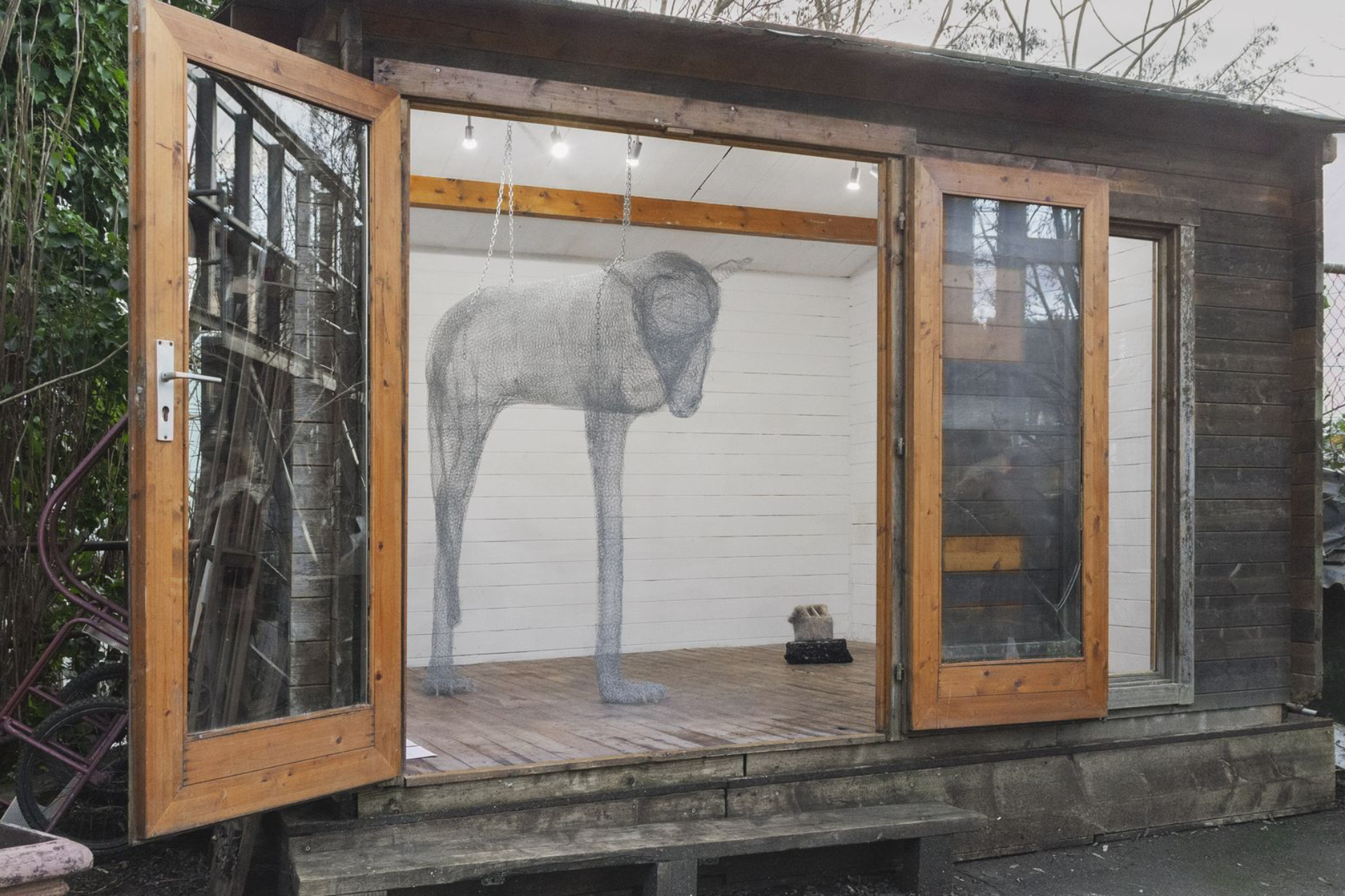
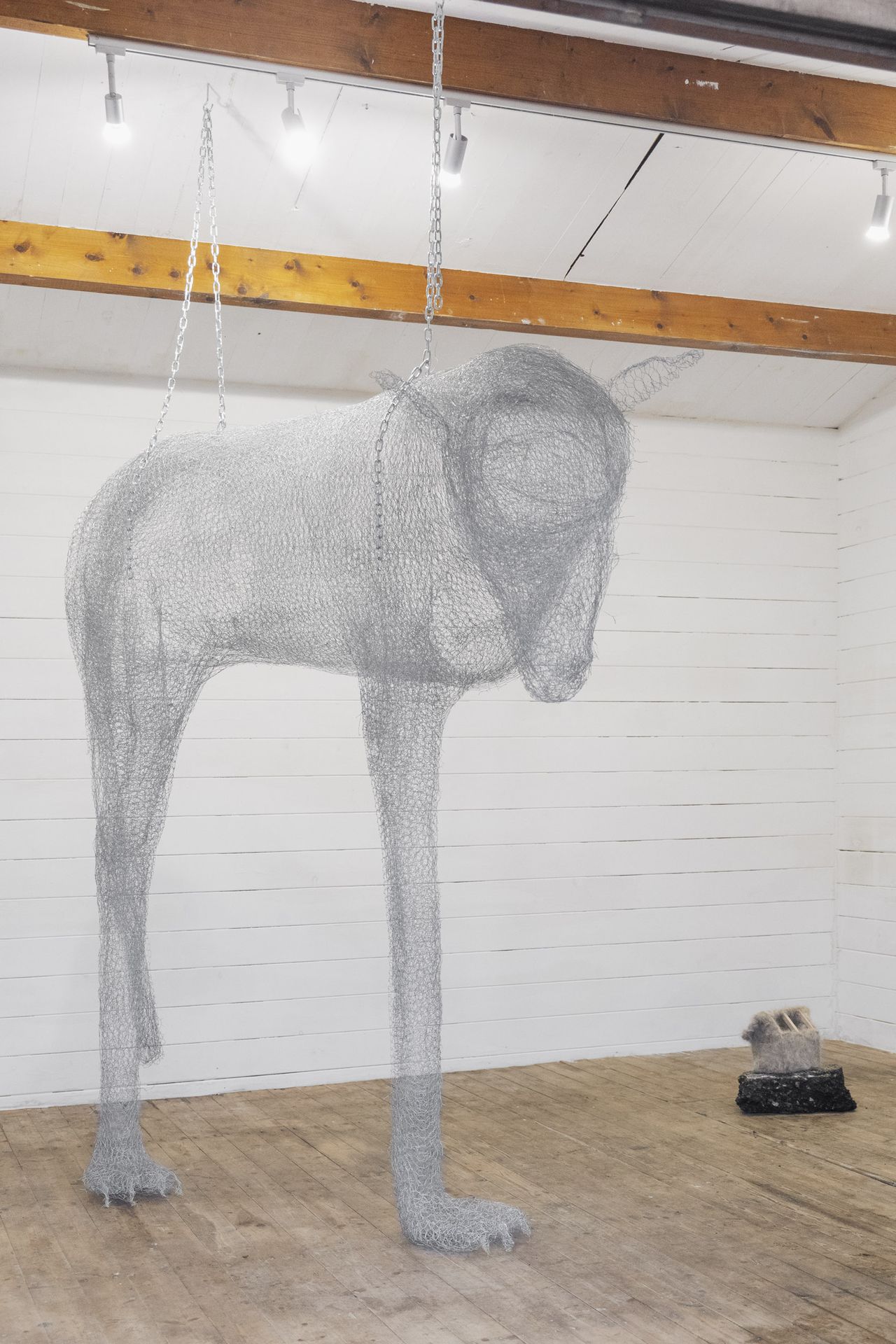
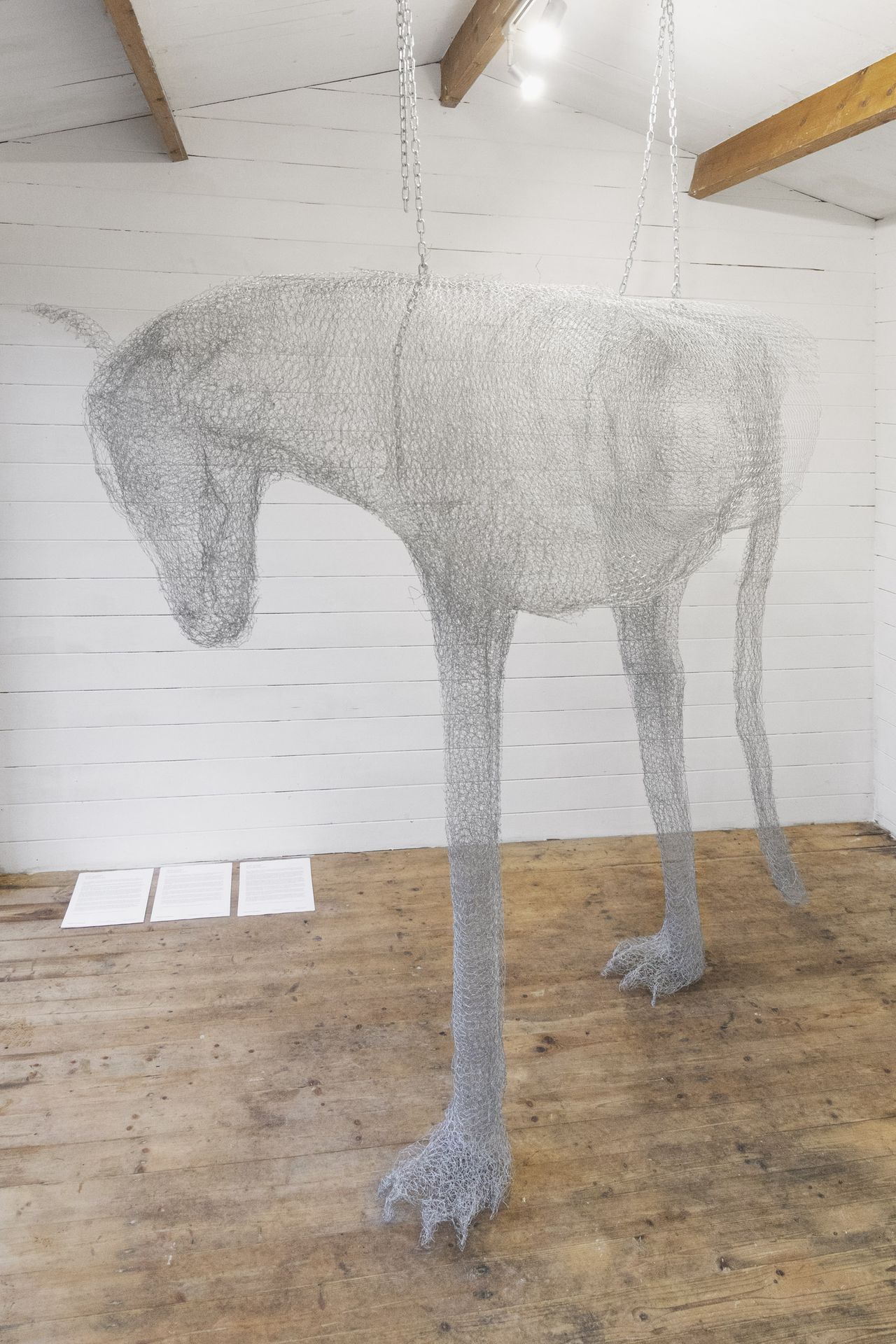
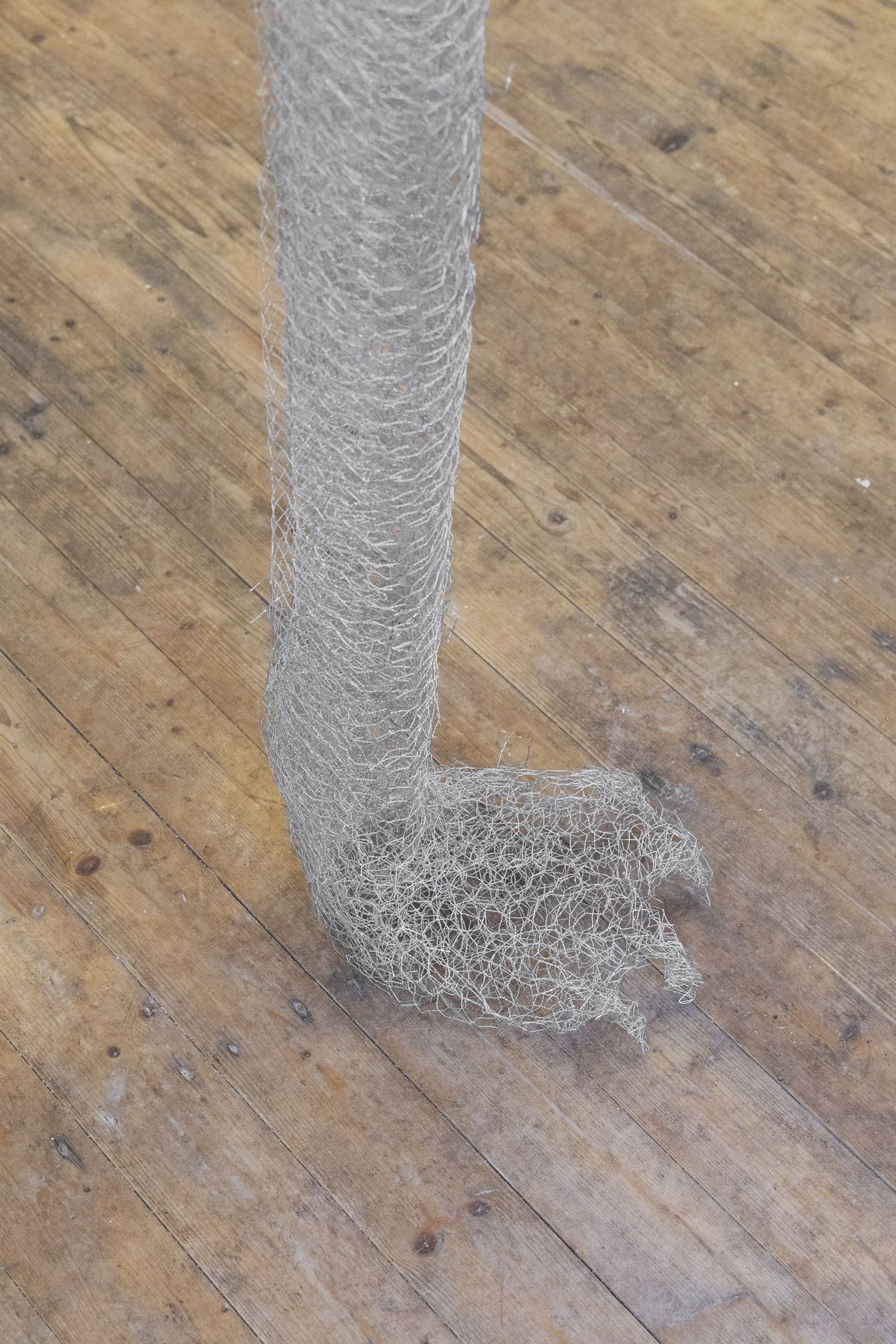
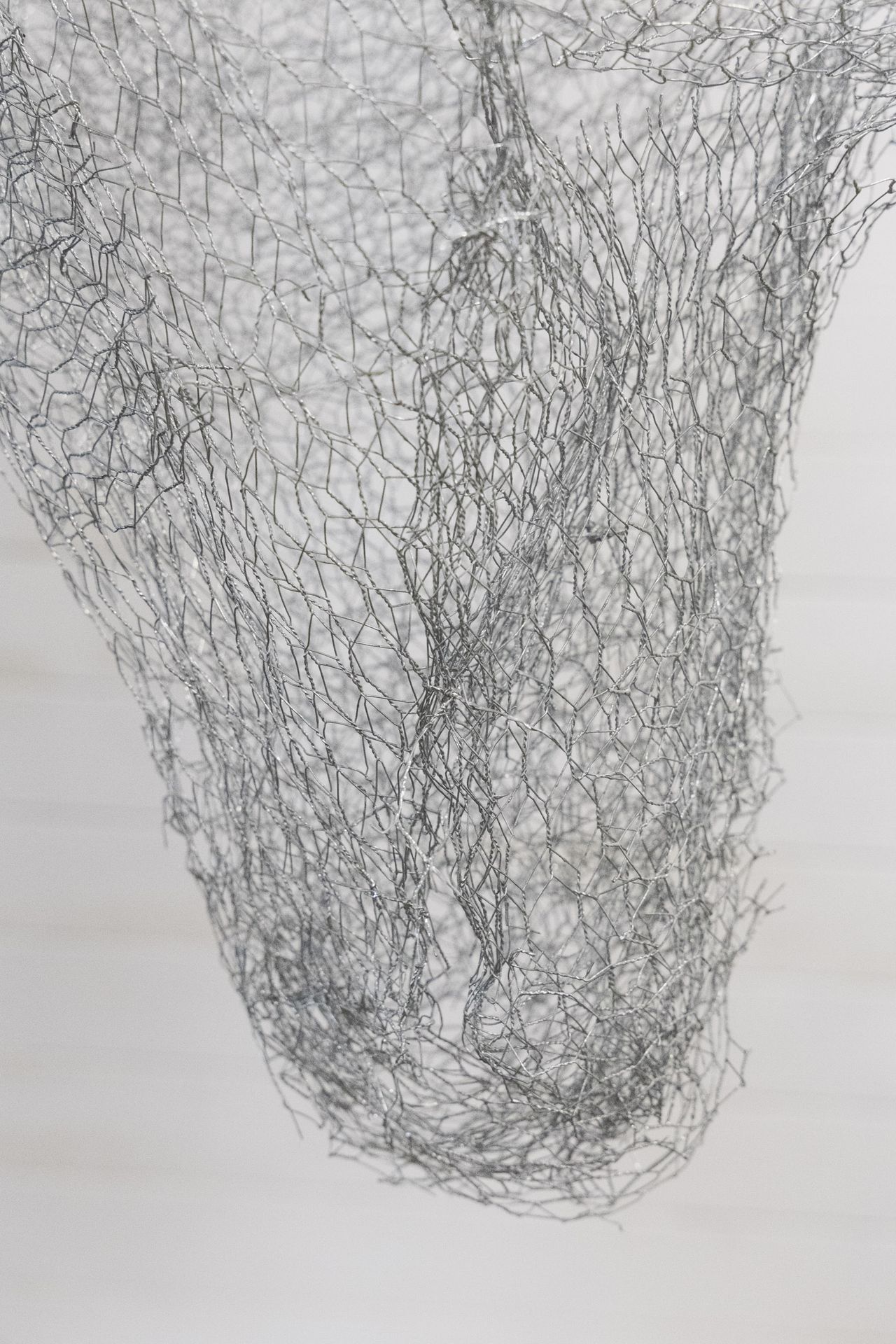
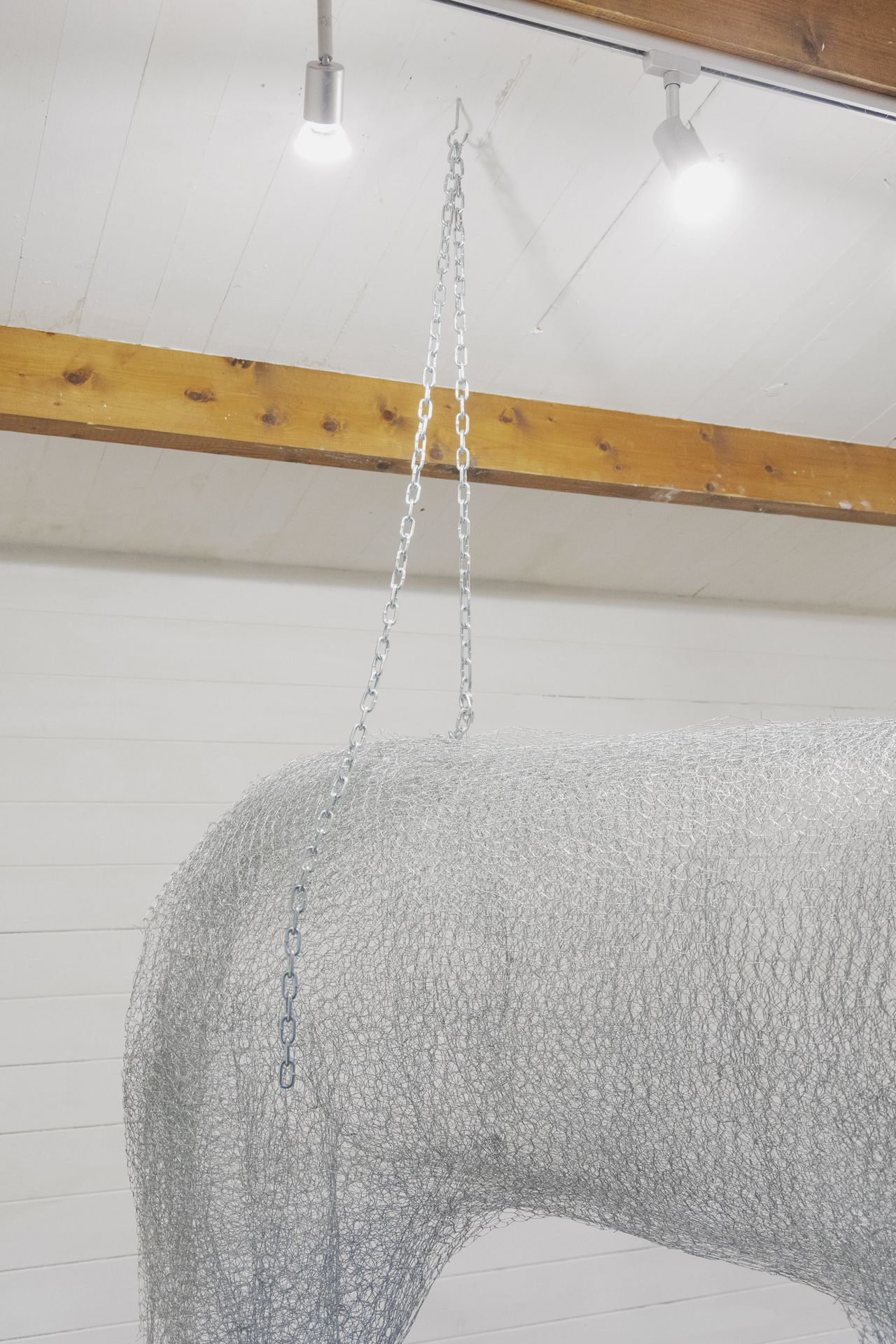
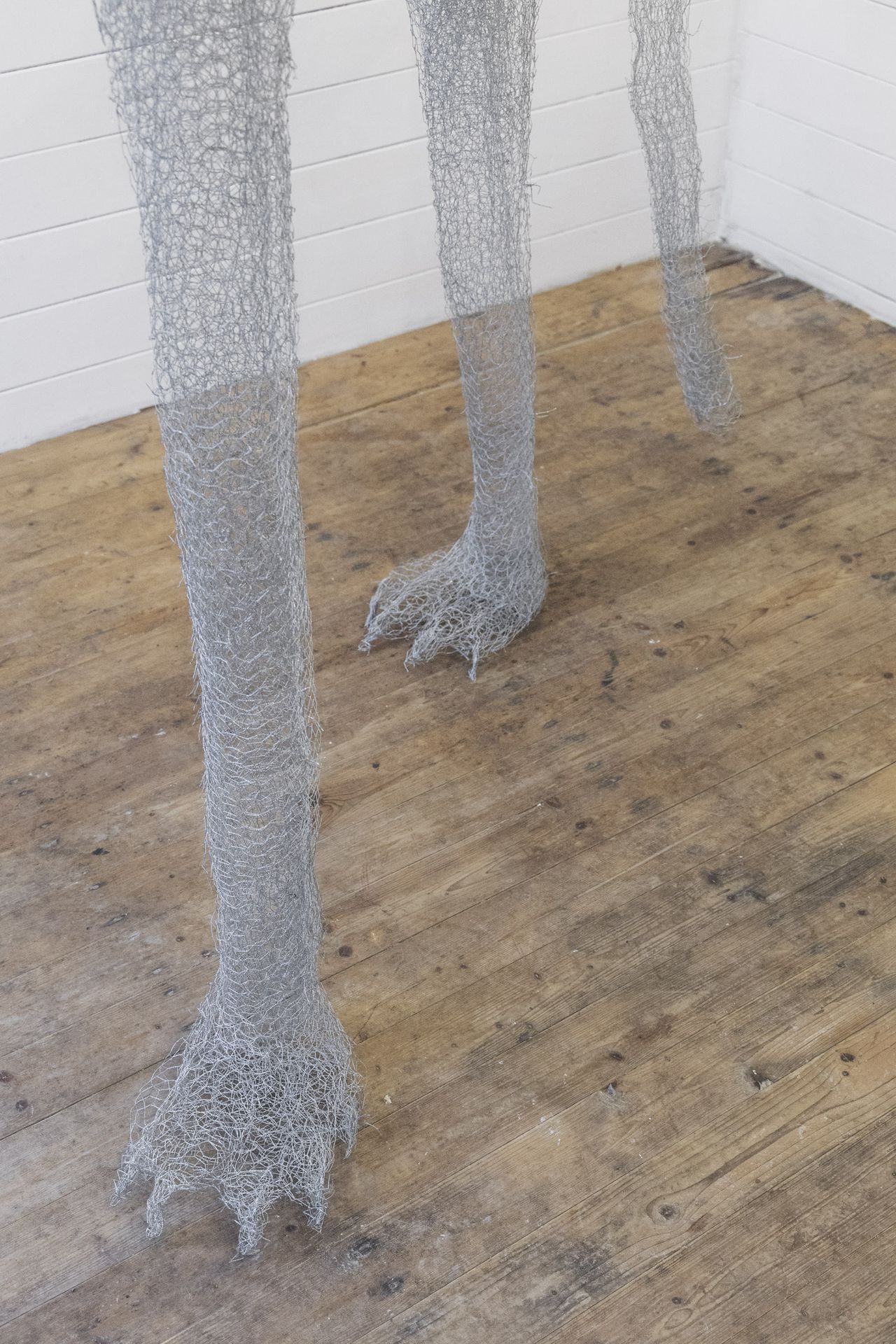
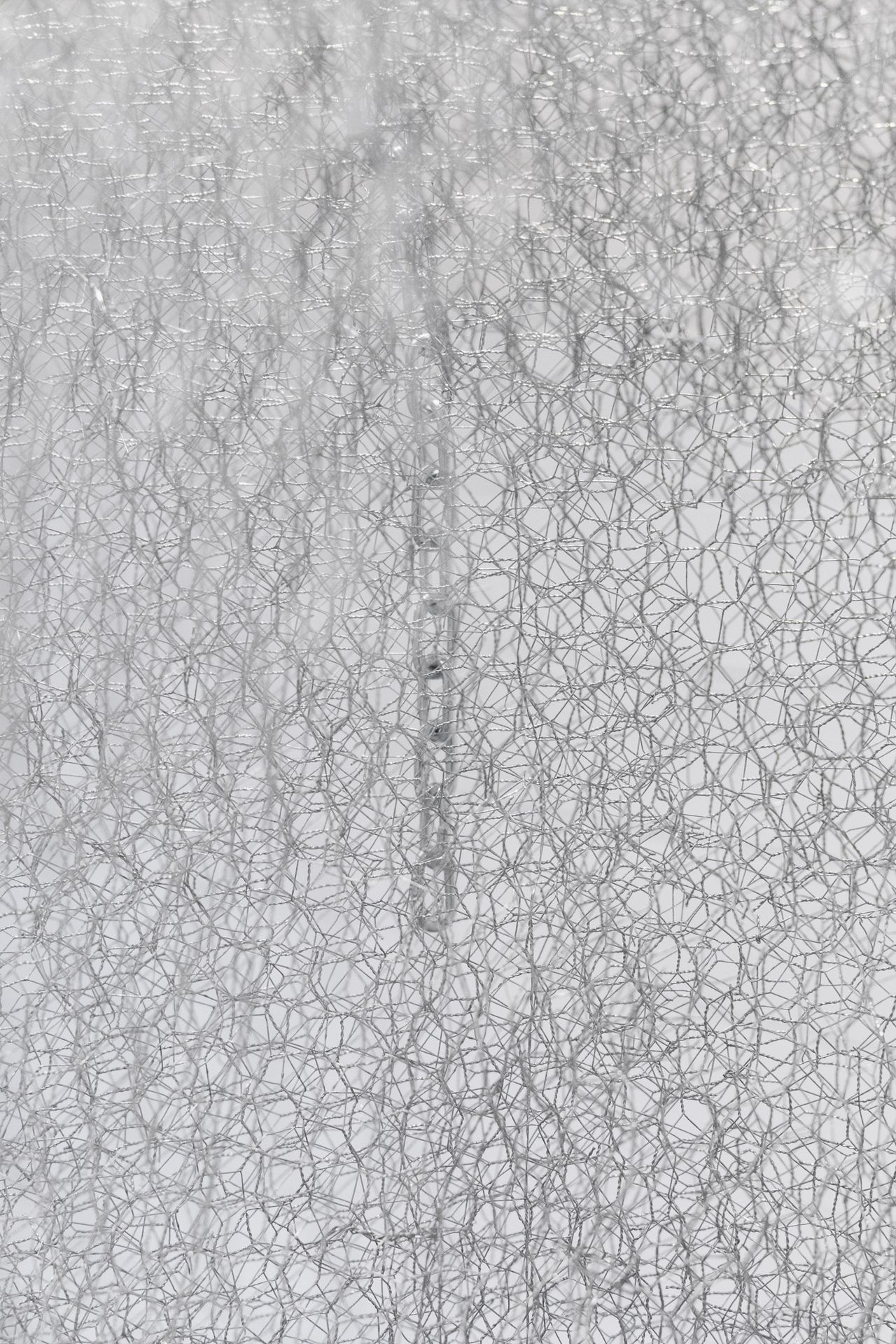
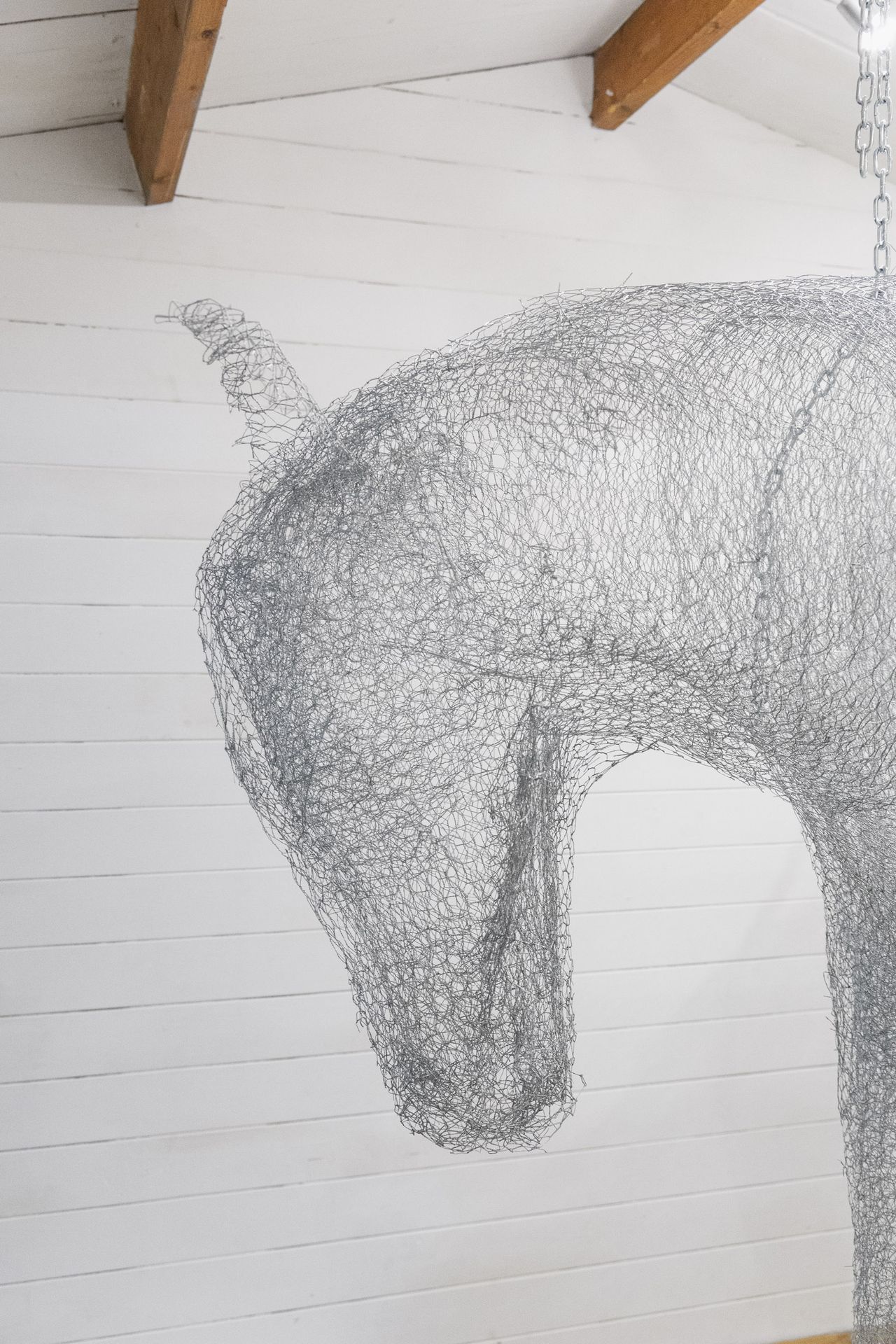
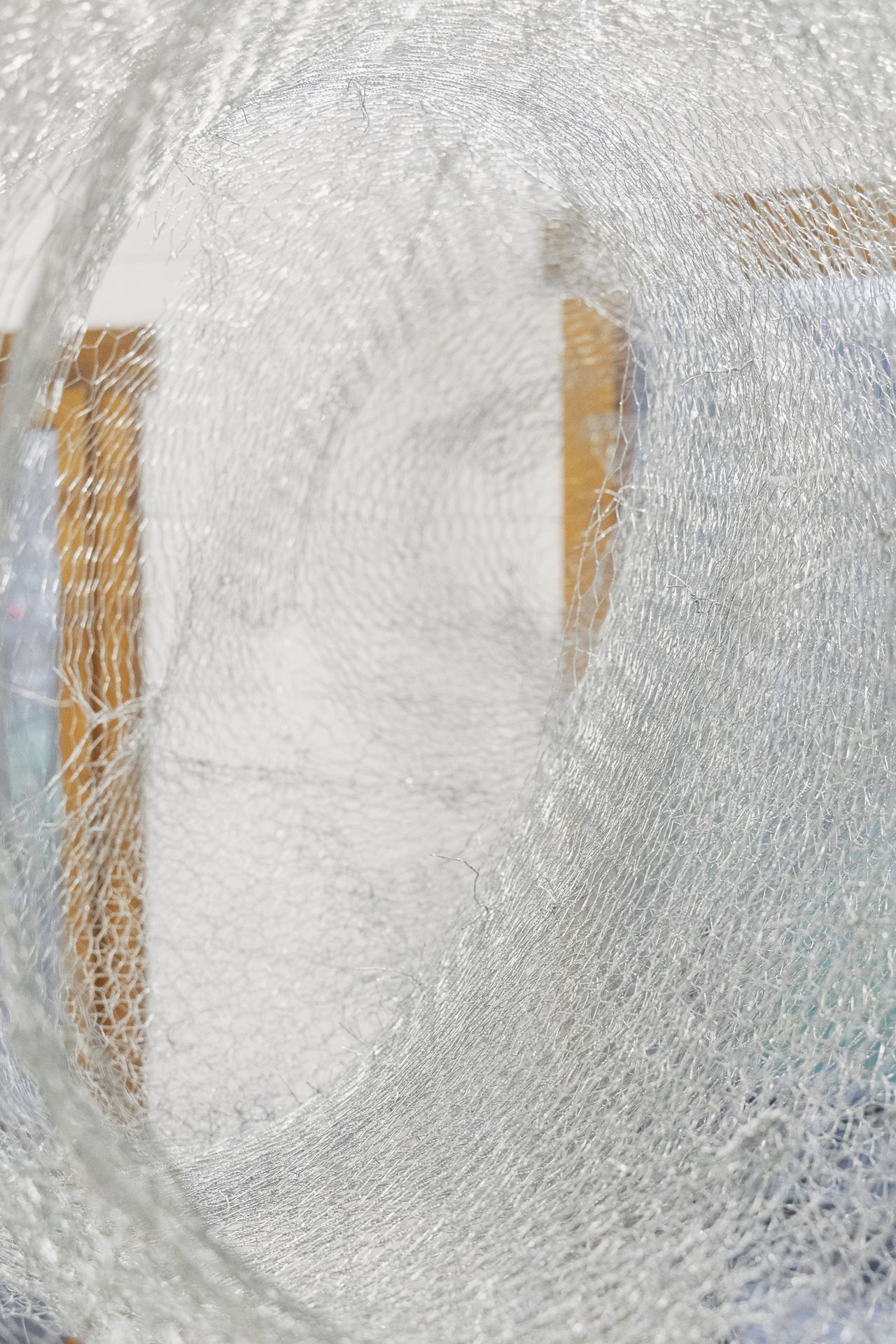
Untitled, 2026
238 × 163 × 68 cm
Wire mesh and chains
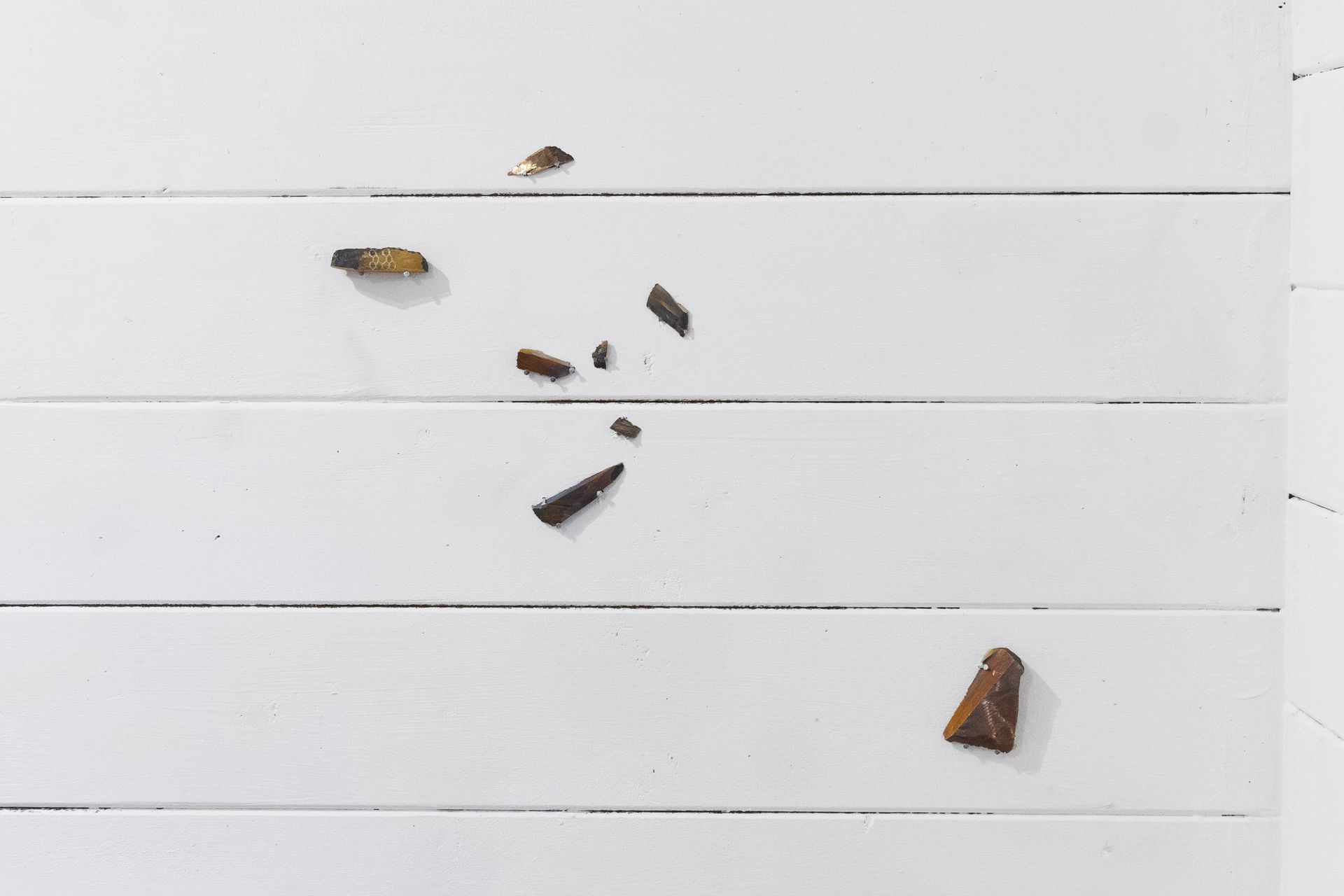
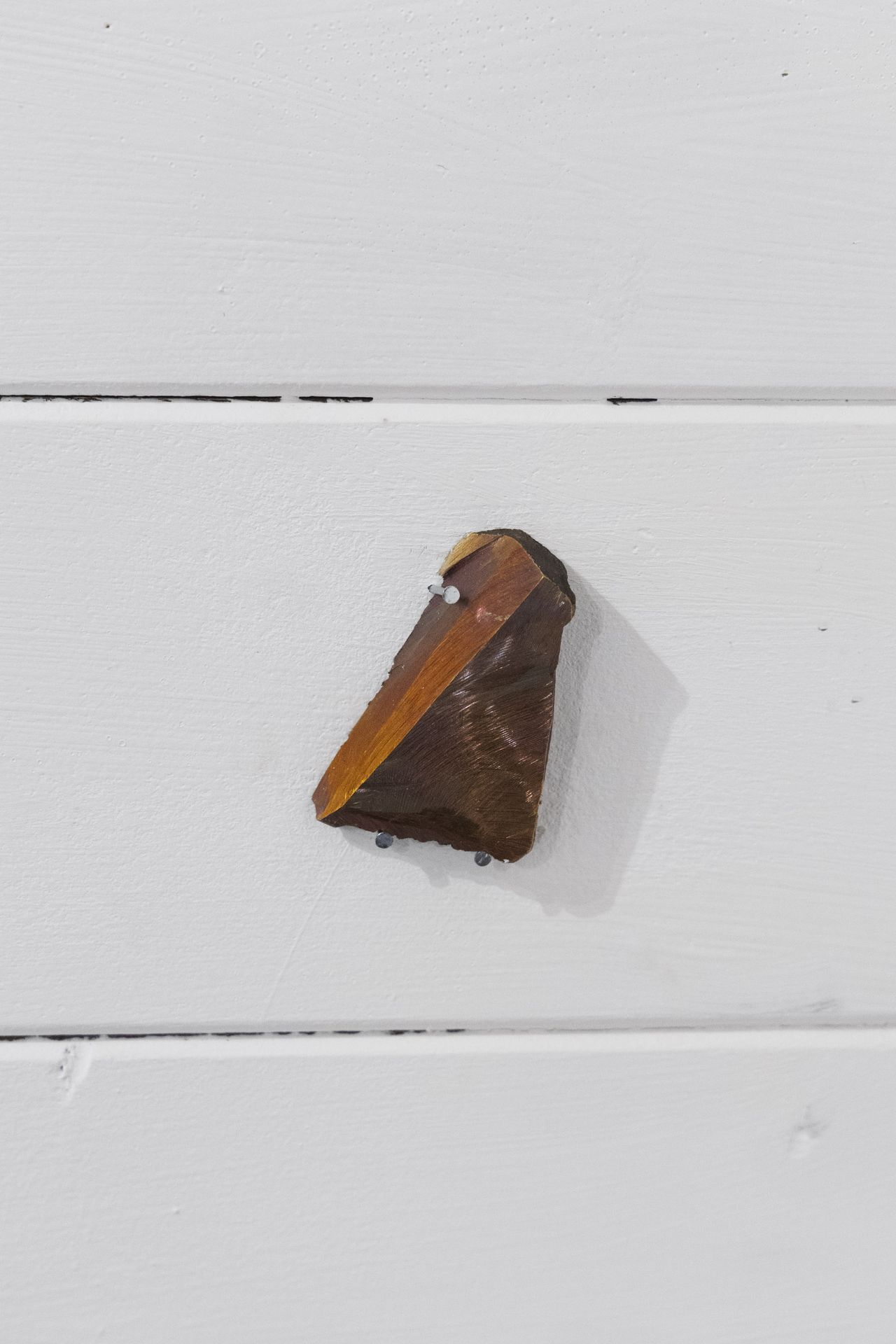
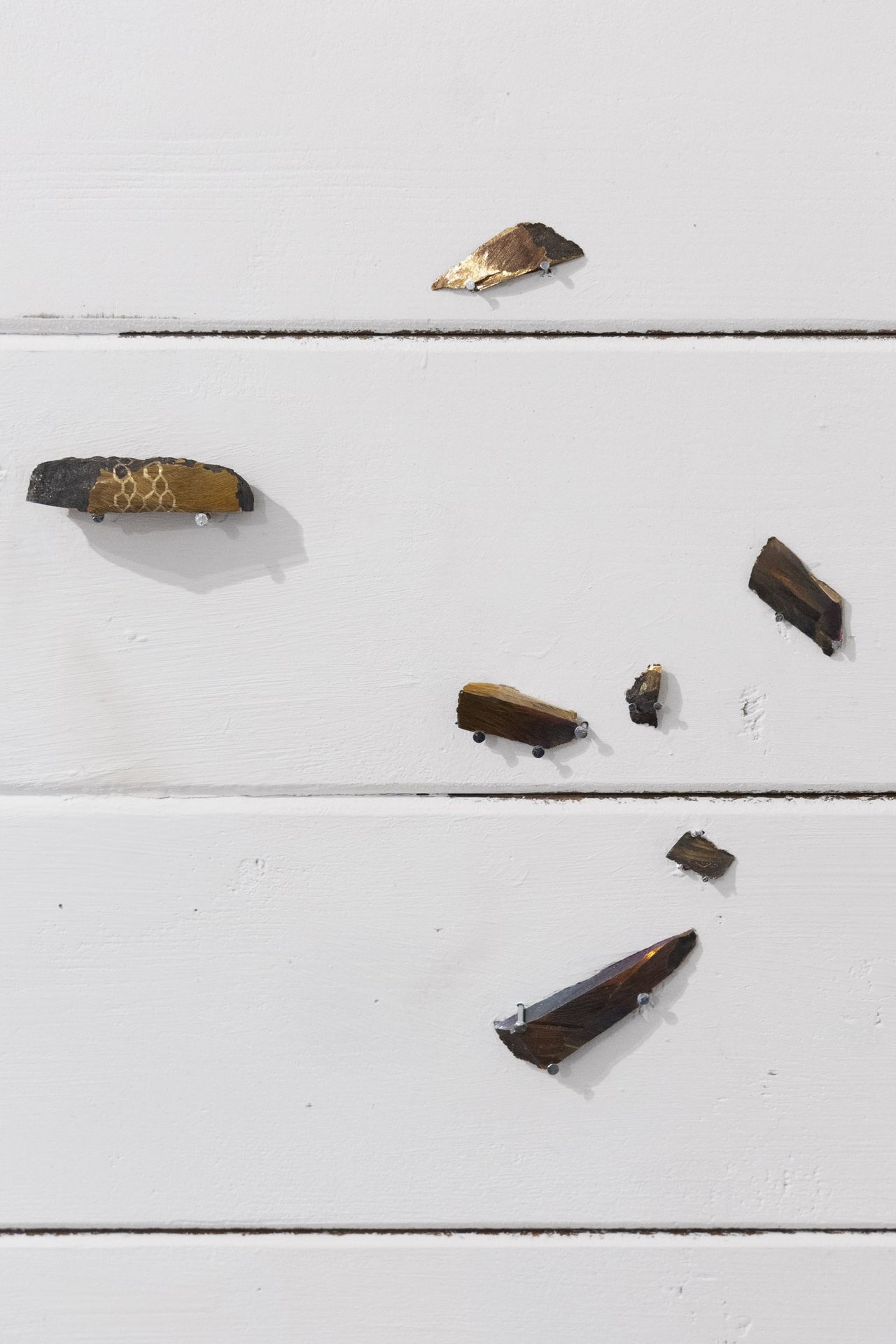
Untitled, 2025–2026
Bronze offcuts
Dimensions variable
In Polvere domestica, dust is approached as both a physical accumulation and a deposit of memory: the trace of an interspecies coexistence shaped by attachment, dependency, care, but also by forms of power. The home echoes these places of encounter, marked by attachment, the sharing of space and existence, and tension. The works confront the viewer with resistant forms that reveal themselves as both intimate and vulnerable, reflecting the same duality found in everyday gestures of care, shaped by responsibility but also by control and misunderstanding.
Dust envelops, accumulates, and settles in layers; always present, sometimes almost invisible, until a shift in perspective reveals it, just as a change in perspective is necessary to recognise one’s own existence and that of the other. Persistent, yet also soft and protective, it embodies the same ambivalence of the domestic sphere and of our relationship to the other: both refuge and boundary.